What Is an Automatic Pool Cleaner, Exactly?
An automatic pool cleaner is a self-operating device that moves around the floor, walls, and sometimes the waterline of your pool, collecting debris, scrubbing surfaces, and filtering out the fine particles that your main filtration system misses. Think of it as a Roomba for your pool — except it's working underwater, handling everything from leaves and twigs to algae film and gritty sediment.
Unlike manually vacuuming your pool (which is effective but exhausting and time-consuming), an automatic cleaner runs on its own schedule, works without supervision, and covers areas you'd likely rush through when doing it by hand. Some models are fully robotic with their own onboard motors and filters. Others tap into your pool's existing pump and water pressure system to get the job done.
The result? A cleaner pool, less work, and more time for the things you actually want to do.
The Three Main Types of Automatic Pool Cleaners
Not all automatic cleaners work the same way, and understanding the differences matters when choosing the right one for your setup.
Robotic Pool Cleaners
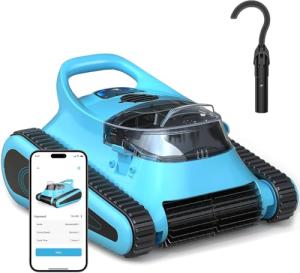
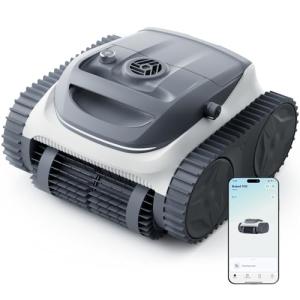
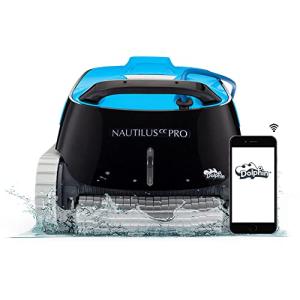
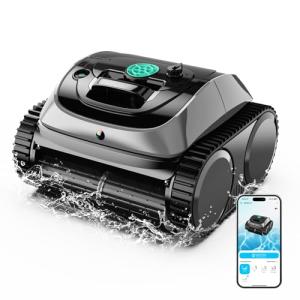
Robotic cleaners are widely considered the gold standard in automatic pool cleaning — and for good reason. These are independent, self-contained units that plug into a standard electrical outlet and operate completely separately from your pool's filtration and pump system. They have their own motors, their own filtration baskets or bags, and their own navigation systems.
The big advantages here are efficiency and thoroughness. Robotic cleaners don't just vacuum — they actively scrub surfaces with rotating brushes, which makes a real difference in dislodging algae and stubborn biofilm before sucking it all up. Higher-end robotic models use intelligent navigation algorithms to map your pool and clean it systematically rather than just bouncing around randomly. Many can climb walls, clean the waterline, and handle both flat floors and curved surfaces without skipping a beat.
Because they run independently of your pump, they also help reduce the load on your main filtration system — potentially extending its lifespan and even saving you a bit on energy costs over time. The downside is that robotic cleaners tend to cost more upfront. But if you're looking for the most effective, lowest-maintenance cleaning experience, they're usually worth every cent.
Suction-Side Pool Cleaners
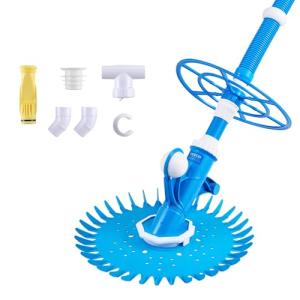
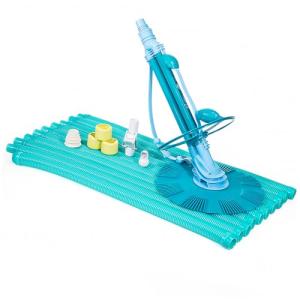
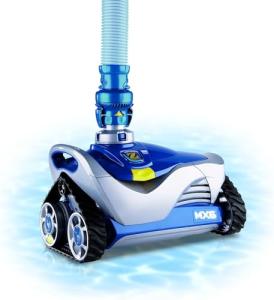
Suction-side cleaners are one of the more popular options among everyday pool owners, largely because they're straightforward and affordable. They connect to your pool's existing suction line (typically via the skimmer port) and use the flow of water from your pump to move around and collect debris.
These cleaners work by sucking up dirt and sending it back through your pool's filtration system. That means your pool pump needs to be running for them to work — but it also means you're getting double-duty filtration, which isn't a bad thing. Suction-side cleaners are particularly good at picking up fine debris like sand, dirt, and small particles from the pool floor.
They're a solid entry point into automatic pool cleaning — simple to install, easy to maintain, and budget-friendly. The trade-off is that they're generally less capable on walls and don't scrub as aggressively as robotic models. They can also add wear to your pump over time if run too frequently. For straightforward in-ground or above-ground pools with moderate debris loads, though, they do the job well.
Pressure-Side Pool Cleaners
Pressure-side cleaners use the pressure of water being returned to the pool (from your pump or a dedicated booster pump) to propel themselves around and sweep debris into an attached bag. Unlike suction-side models, the debris they collect goes into their own onboard bag rather than through your filter — which helps keep your main filtration system cleaner.
These cleaners tend to be particularly effective in pools that deal with larger debris like leaves, acorns, and twigs. They move energetically around the pool, stirring up settled debris and sweeping it into the collection bag. The downside is that many pressure-side cleaners require a dedicated booster pump (an additional installation cost), and their cleaning coverage can be less systematic than robotic models. Still, for pools surrounded by trees or in areas with heavy organic debris, they're a compelling choice.
Key Features to Look For
When you're shopping for an automatic pool cleaner, the spec sheets can get overwhelming fast. Here's what actually matters in real-world use.
Cleaning coverage is the most fundamental consideration. Can the cleaner reach the entire floor? Does it climb walls? Does it clean the waterline? A cleaner that only does the floor is useful, but one that handles walls and the waterline too gives you a far more complete result — especially since algae loves to grow at the water's surface.
Brush type and scrubbing power make a significant difference in how clean your pool actually gets. Rubber brushes are ideal for most surfaces, including tile and vinyl, because they're effective without being abrasive. Fine-bristle brushes work well on plaster or concrete. Some premium models offer dual-scrubbing systems that combine both for comprehensive cleaning.
Filter size and capacity determines how often you need to empty and rinse the cleaner. A larger filter basket means longer cleaning sessions without interruption. It also affects what size particles the cleaner can capture — the best models filter down to very fine microns, pulling out the particles that would otherwise keep your water looking slightly cloudy even after chemical treatment.
Navigation system is where you'll notice the biggest differences between entry-level and premium robotic cleaners. Basic models use random or semi-random movement patterns. More sophisticated models use gyroscopic sensors, accelerometers, or even AI-powered mapping to navigate your pool efficiently and ensure full coverage without excessive overlap. If you have an unusually shaped pool, a smart navigation system is especially valuable.
Cycle time tells you how long a full cleaning run takes. Most automatic cleaners complete a standard cycle in two to three hours. Some allow you to run shorter spot-cleaning cycles if you just need a quick touch-up before guests arrive.
Remote control and smart scheduling have become increasingly common features on robotic cleaners. Being able to schedule cleaning sessions from a smartphone app, set cleaning frequencies, or even direct the cleaner to a specific area of the pool remotely is genuinely convenient — not just a gimmick.
Above-Ground vs. In-Ground: Does It Matter?
Yes, it matters quite a bit. Above-ground pools are typically rounder, shallower, and have vinyl liners — which means they need cleaners designed for that geometry and surface type. Most above-ground pool cleaners are suction-side models or entry-level robotic units built for flat-floor cleaning without aggressive wall-climbing requirements.
In-ground pools vary enormously in shape, depth, and surface material — from vinyl-lined rectangles to freeform concrete pools with mosaic tile. In-ground cleaners, especially robotic models, need to handle more complex geometry, steeper walls, and potentially rougher surfaces. They're built more robustly and tend to come with more configuration options.
When shopping, always confirm whether a model is rated for your pool type. Using an above-ground cleaner in a large in-ground pool (or vice versa) often results in poor coverage, premature wear, or both.
How Automatic Cleaners Fit Into Your Overall Pool Maintenance Routine
An automatic pool cleaner isn't a replacement for your entire maintenance routine — it's one essential part of it. You'll still need to balance your water chemistry (pH, chlorine, alkalinity), shock the pool periodically, clean out your skimmer and pump baskets, and backwash or clean your filter on schedule.
What the automatic cleaner handles is the physical cleaning — the debris removal, the scrubbing, the vacuuming. And it handles it far more consistently than most pool owners manage to do by hand. Regular automated cleaning actually helps your chemical treatments work better, because clean water and surfaces require less sanitizer to stay clear and safe.
Most pool professionals recommend running your automatic cleaner two to three times per week during peak swimming season, and once a week or as needed during the off-season. Running it more frequently in spring, when algae growth is at its most aggressive, pays dividends in preventing buildup before it becomes a real problem.
Maintenance Tips for Getting the Most Out of Your Cleaner
Like any piece of equipment, automatic pool cleaners last longer and work better when you take basic care of them.
Rinse the cleaner with a garden hose after each use. Chlorinated pool water left sitting in the unit — especially in the filter basket, brushes, and internal components — degrades seals, discolors parts, and shortens motor life. A quick rinse takes thirty seconds and makes a real difference over a season.
Clean the filter basket or bag after every cleaning cycle. A clogged filter dramatically reduces suction and cleaning performance, and pushing a choked filter harder puts unnecessary stress on the motor.
Inspect the brushes, wheels, and drive tracks periodically for wear. These are consumable parts that eventually need replacement — and a cleaner running on worn brushes won't scrub effectively, no matter how good the rest of the machine is.
Store the cleaner out of direct sunlight when not in use. UV exposure degrades rubber components, cables, and plastic housing faster than almost anything else. A simple storage caddy or a shaded corner of your equipment shed works perfectly.
Choosing the Right Cleaner for Your Pool
The best automatic pool cleaner for you depends on a few honest factors: the size and shape of your pool, the type of debris you typically deal with, how much maintenance you're willing to do on the cleaner itself, and your budget.
For most in-ground pool owners who want the most thorough clean with the least hands-on time, a mid-range to premium robotic cleaner is the clear choice. They're more capable, more efficient, and increasingly user-friendly.
For above-ground pool owners or those with simpler rectangular in-ground pools and light debris loads, a quality suction-side cleaner offers excellent value without overcomplicating things.
And for pools in heavily wooded areas where leaf and debris volume is the primary challenge, a pressure-side cleaner with a large collection bag might be exactly what's needed.
Whatever you choose, you'll almost certainly look back and wonder why you spent so many summers vacuuming the pool by hand.
Automatic pool cleaners have become one of those things that, once you have one, it's impossible to imagine managing without. They save real time, they do a genuinely thorough job, and they help protect the bigger investments in your pool system by keeping the water cleaner and the surfaces freer of buildup.
The pool is supposed to be the relaxing part of your backyard. Let the robot handle the rest.