What Exactly Is a Freestanding Bathtub?
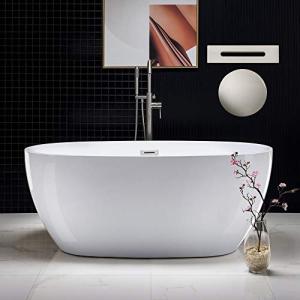
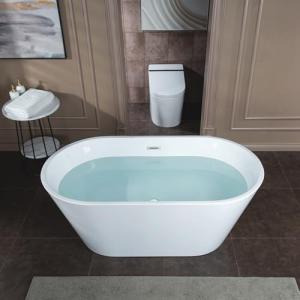
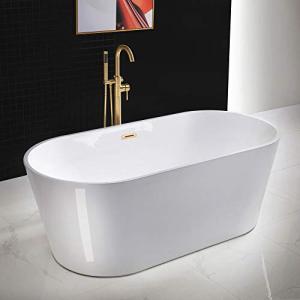
A freestanding bathtub is exactly what it sounds like: a standalone tub that doesn't need walls, a deck, or a built-in surround to hold it up. It stands entirely on its own, which means you can place it virtually anywhere your plumbing and space allow. This design freedom is a big part of why they've become so popular — you're not locked into one corner of the room the way you are with an alcove or drop-in tub.
Freestanding bathtubs can freely fit just about any space and don't require connecting walls to be installed. They also provide a more vibrant centerpiece for your bathroom aesthetically compared to most drop-in tubs.
That flexibility, combined with their visual impact, is why freestanding tubs have moved well beyond luxury master suites. They now appear in all kinds of bathrooms, from compact urban apartments to full wet room renovations.
Styles and Shapes: Finding the Right Look
One of the most enjoyable parts of shopping for a freestanding tub is the sheer variety of shapes and silhouettes available. The style you choose affects both how the tub looks and how it actually feels to use.
Oval and Egg-Shaped Tubs
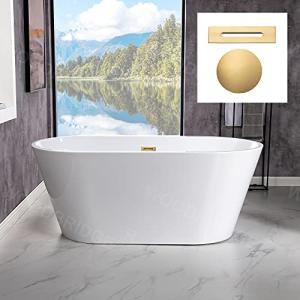
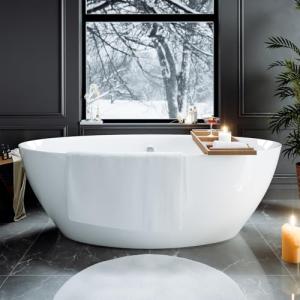
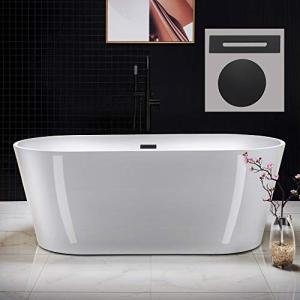
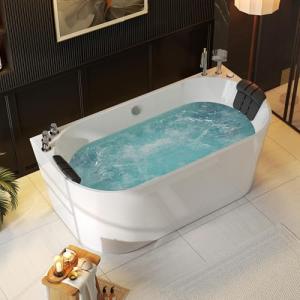
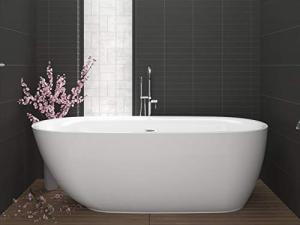
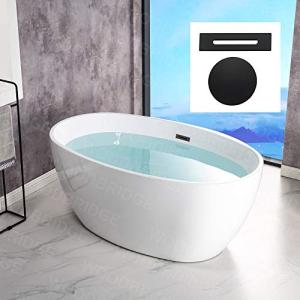
Oval bathtubs are the most popular bathtub styles. They support your natural lumbar angles so you can be comfortable while you soak. The rounded profile feels organic and soft in a bathroom, and oval tubs work well with almost any design direction — minimalist, traditional, or somewhere in between. Oval shapes, asymmetrical profiles, and fluid lines are becoming increasingly prevalent as bathroom design moves away from harsh, angular lines in favor of softer, more organic shapes connected to nature.
Slipper Tubs
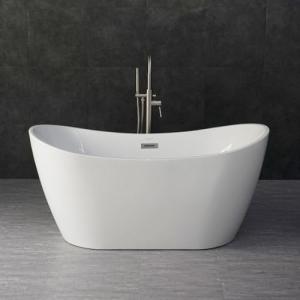
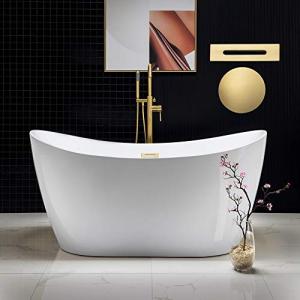
A slipper tub has one raised end — sometimes both ends are raised in a double slipper design — giving you a built-in backrest to recline against. If you actually plan to lie back and soak for a while rather than just sit upright, the slipper profile is worth considering. It's one of the most comfortable shapes for extended use and has a distinctly elegant silhouette that leans classic.
Double-Ended Tubs
Double-ended acrylic tubs are lightweight, warm to the touch, and easy to install. Two reclining ends mean comfort from either side — great for most homes and remodel timelines. They tend to have a clean, symmetrical profile that suits contemporary spaces well.
Rectangular Tubs
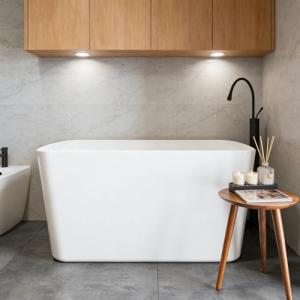
Rectangular tubs are versatile and space-saving. They provide a clean, minimalist look and easily adapt to any bathroom layout. If your bathroom has strong architectural lines and you want the tub to complement that geometry rather than contrast it, a rectangular freestanding tub is a natural fit.
Clawfoot Tubs
The classic clawfoot look has existed since the early 1800s and remains widely popular. The original design has been updated today with more of a modern flair, though the traditional pegged claw base is still available if you prefer that style. Clawfoot tubs tend to work best in spaces with character — vintage tile, exposed hardware, or high-ceilinged older homes where the period aesthetic feels at home.
Materials: What Your Tub Is Made Of Matters More Than You Think
The material of a freestanding tub affects how warm the water stays, how heavy the tub is, how easy it is to maintain, and ultimately how long it lasts. Here's what you actually need to know about the most common options.
Acrylic
Acrylic is a non-porous bathtub material that's resistant to chipping, cracking, and corrosion; it's also very easy to clean and maintain. The majority of homeowners upgrading or adding a new tub choose acrylic, largely because of its affordability and durability. Acrylic tubs are lighter than cast iron or stone resin, which makes installation simpler and eliminates floor-load concerns in most cases. They warm up quickly once water fills them, though they don't retain heat quite as long as denser materials.
Cast Iron
Cast iron is the old standard for a reason. A vitreous enamel coating over a molten iron shell creates a hard, glossy surface that resists stains and stands up to decades of use. More importantly, the thermal mass of cast iron means excellent heat retention — the iron shell keeps water warmer for longer soaks. The main trade-off is weight. Cast iron tubs are very heavy, and if you're installing one on an upper floor, you'll want to confirm that your subfloor can handle it before you commit.
Stone Resin and Solid Surface
Stone resin tubs have a premium, sculptural quality that photographs beautifully and holds up even better in person. They look like carved stone, feel warm to the touch, and the dense walls keep water warmer for longer soaks. A satin, repairable finish keeps its quiet luxury for years — light scuffs can be refinished with a simple sand-and-polish. Like cast iron, stone resin is heavy, so delivery logistics and floor capacity are worth checking before you order.
Sizes: Getting the Fit Right
Before you fall in love with a specific tub, take your bathroom measurements seriously. A standard bathtub size measures around 60 inches long, 30 inches wide, and 14 to 16 inches tall. A soaking bathtub should range between 60 and 72 inches long.
Beyond the tub's footprint, you need clear floor space around it. Practically speaking, you want at least 18 to 24 inches of open floor on all accessible sides. This gives you room to step in and out safely, reach the faucet comfortably, and clean around the base without contorting yourself.
Also measure your doorways, hallways, and any stairwells the tub will need to pass through during delivery. A 70-inch cast iron tub is impressive until it becomes immovable halfway up your stairs.
Features Worth Knowing About
Freestanding tubs have come a long way from a simple soaking vessel. Premium tub features that are increasingly popular include integrated headrests, colored chromotherapy lighting, integrated Bluetooth speakers, and inline water heaters.
An inline heater is particularly practical if you're the kind of person who loses track of time in the bath. Without one, a long soak means slowly creeping toward cold water. With one, the temperature stays consistent throughout.
Whirlpool and air jet systems are also available in many freestanding models. The best jetted freestanding tub typically combines body jets with air jets plus an inline heater to keep the water comfortable longer. If muscle relief or hydrotherapy is a priority, a jetted freestanding tub offers that spa experience without requiring a separate installation.
Installation: What to Expect
One of the appealing things about freestanding tubs is that installation tends to be more straightforward than built-in alternatives — there's no deck to frame, no walls to tile around the tub. That said, you'll still need a floor drain, a freestanding filler or floor-mounted faucet, and a supply line that reaches your chosen tub placement.
Freestanding bathtubs run an average price range of about $600 to $3,000 and up, not including installation. The filler and faucet are often a significant additional cost, particularly for floor-mounted styles. Factor that into your budget early so you're not caught off guard.
If your tub is on an upper floor and made from cast iron or stone resin, get a structural assessment done before installation. The combined weight of the tub, water, and occupant can easily exceed 700 to 900 pounds for heavier materials.
Freestanding Tubs in Wet Room Designs
One of the most popular ways to incorporate a freestanding tub right now is in a wet room layout. Wet room bathroom designs feature an open layout, floor-to-ceiling waterproofing, and a sloped floor with a linear drain. The most popular style of bathtub chosen for an upgraded wet room is a freestanding flat-bottom tub.
The wet room design integrates the shower and bathtub into a single waterproofed enclosure, creating a seamless, open-plan bathing area. It's effective both in large bathrooms where it creates a grand, spa-like zone, and in smaller bathrooms where it allows for both a separate shower and a tub in a space that might not otherwise accommodate both.
How to Choose the Right Freestanding Tub for You
Here's a simple framework to cut through the options:
Start with your space. Measure the room, map the plumbing location, and decide where the tub will sit. That determines the size range you're working with and whether a floor-mounted or deck-mounted filler makes more sense.
Think about how you actually bathe. Do you soak for 20 minutes while reading or barely spend five minutes in a tub? An ergonomic slipper or double-ended design makes a difference if you're actually going to use it for relaxation. A simpler oval soaker might be all you need if aesthetics are the primary motivation.
Match the material to your priorities. Want the lowest maintenance and easiest installation? Acrylic. Want the best heat retention and decades of durability? Cast iron or stone resin. Just be honest about weight and floor capacity if you go the heavier route.
Set a real budget that includes everything. The tub price is just the start. Add the filler, waste and overflow kit, any flooring or structural work, and installation labor. Value is not only the tub price — it is tub price plus the cost to plumb it, set it, and finish the space around it.
Don't overlook the drain placement. Freestanding tubs have a drain and overflow built into the tub floor, not the wall. Make sure your floor drain can be positioned accordingly before you finalize placement.
A freestanding bathtub is one of the few home purchases that genuinely changes the feel of a room — not just the look of it. It invites a different relationship with your bathroom: slower mornings, longer evenings, an actual reason to draw a bath rather than default to a five-minute shower. Whether you choose a sleek modern oval in matte white, a classic clawfoot in a vintage bathroom, or a sculptural stone resin centerpiece in a wet room, the right freestanding tub is one you'll be glad you spent time choosing.