What Exactly Is a Framed Pool?
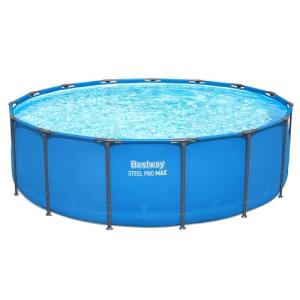
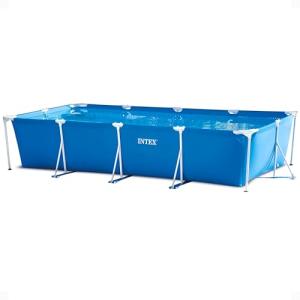
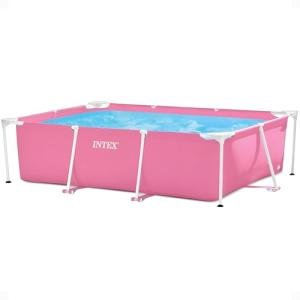
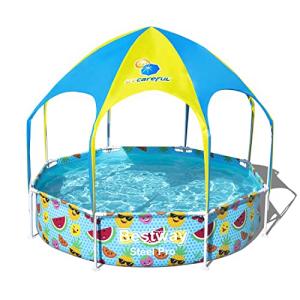
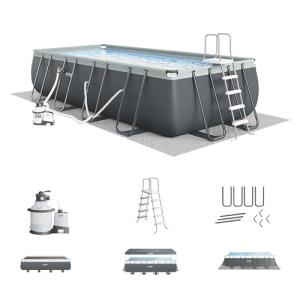
A framed pool is an above-ground pool that uses a rigid metal or resin frame to hold its shape, rather than relying on air pressure or water pressure alone. The frame — typically made from steel, aluminum, or heavy-duty resin tubing — forms the skeleton of the pool. A durable liner fits inside and holds the water, while the frame keeps everything upright and square.
There are a few variations you'll come across:
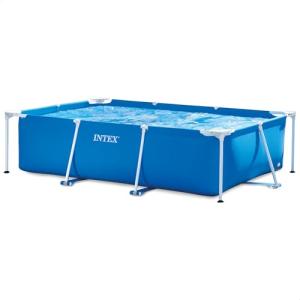
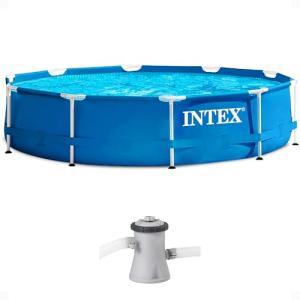
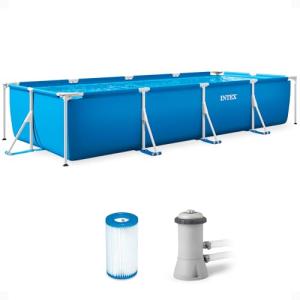
Steel frame pools are the most common. Metal poles snap or screw together to create a grid-like structure around the perimeter. These are incredibly sturdy and handle wind and weight well. Most rectangular and round frame pools you'll find at major retailers use this type of construction.
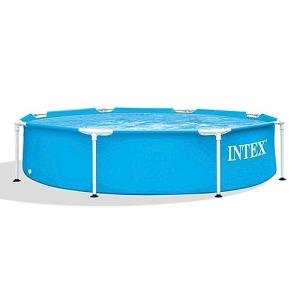
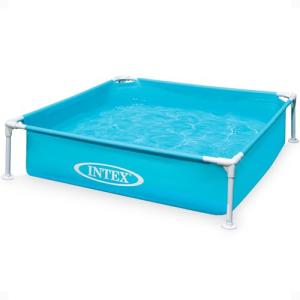
Tube-frame pools use a system of interlocking pipes — often sold under brand names like Intex or Bestway — and are designed for quick, tool-free assembly. They're lighter weight and ideal for smaller sizes, making them popular for young families or anyone who wants to set up and take down seasonally without a lot of hassle.
Power Steel or metal wall pools take things a step further, incorporating stronger sidewall panels for added rigidity. These are essentially premium framed pools that bridge the gap between basic above-ground models and semi-permanent installations.
Why People Choose Framed Pools Over Other Types
They Last Far Longer Than Inflatable Options
Inflatable pools are fun for toddlers on a Tuesday afternoon, but they're not really a swimming solution. A single overgrown toenail, a stray stick on the lawn, or an enthusiastic dog can end the season abruptly. Framed pools use a separate rigid structure and a thick PVC or reinforced liner that can handle real use, season after season. Most quality framed pools last anywhere from five to fifteen years with proper care.
Setup Is Genuinely Manageable
One of the biggest surprises for first-time framed pool buyers is how straightforward setup actually is. Most pools in the 12 to 18-foot range can be assembled by two adults in a single afternoon. The components are labeled, the frame pieces click or slide together, and the liner drapes in and fills up. No concrete. No digging. No plumbing rough-in. You do need a reasonably level surface — which we'll cover shortly — but beyond that, the process is accessible to anyone who can follow illustrated instructions.
They Come in Practical Sizes for Real Backyards
Framed pools aren't just scaled-down novelties. You can find options ranging from compact 8-foot round pools perfect for small yards or decks, all the way up to massive 32-foot rectangular pools that offer actual lap swimming. The most popular sizes for families tend to fall in the 15 to 18-foot round or 12x24-foot rectangular range — large enough for several swimmers, small enough to fit in a typical suburban backyard.
The Price Point Makes Them Accessible
An in-ground pool installation averages between $35,000 and $65,000 in most markets. A quality above-ground framed pool with filter, ladder, and basic accessories typically runs between $300 and $2,500 depending on size and construction quality. Even at the premium end, you're looking at spending roughly a tenth of what in-ground would cost. For families who want real swimming time without a second mortgage, framed pools are simply hard to argue with.
What to Look for When Shopping Framed Pools
Frame Material Matters More Than You'd Think
Steel frames are strong and affordable, but bare steel rusts. Look for pools that specify rust-resistant coatings, galvanized steel, or powder-coated finishes. Corrosion-resistant frames — especially around joints and connector pieces where water tends to collect — will dramatically extend the life of your pool. Aluminum frames cost a bit more but are inherently rust-proof, making them an excellent long-term choice for anyone in a humid climate or near saltwater.
Resin frames deserve a mention too. Pure resin (plastic) components don't rust at all and are surprisingly strong. Some manufacturers use hybrid construction — steel uprights for structural strength combined with resin connector pieces that won't corrode where metal meets metal.
Liner Thickness and Material
Pool liners are measured in gauge (for PVC) or layers. As a general rule, thicker is better. Liners in the 0.4mm to 0.6mm range are common in budget pools and work fine for lighter use. Premium pools often feature 0.8mm or even 1mm liners with additional mesh or fiber reinforcement — these resist puncture and UV degradation significantly better over time.
Look for liners with UV protection built in. A liner that isn't UV-stabilized can become brittle and discolored after just a season or two of sun exposure, especially in warm climates.
Filtration Systems
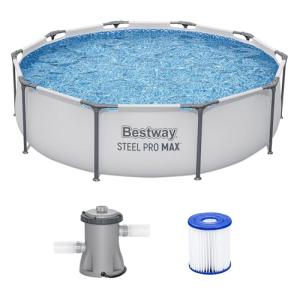
Most framed pools either come packaged with a filtration pump or require you to purchase one separately. The included filter pump is often the weakest link in budget pool packages — the minimum viable option to move water and keep it from turning green, but not always powerful enough for larger pools or heavy usage.
For pools 15 feet and above, look carefully at the pump's flow rate (measured in gallons per hour) and compare it against the pool's total water volume. A good rule of thumb is that your filter should be able to cycle the entire pool volume every eight hours. Don't be afraid to upgrade the pump — it's a relatively affordable improvement that makes a real difference in water clarity.
Connection Quality at the Joints
Frame pools live and die by their joint connections. Where poles meet, where vertical uprights attach to the top ring, where the frame meets ground contact points — these are the stress points that fail first in lower-quality pools. Look for pools with reinforced joint caps, preferably made from corrosion-resistant materials. Some premium models use stainless steel hardware at key connection points, which is a good sign of overall build quality.
Setting Up Your Framed Pool the Right Way
Getting your framed pool set up correctly from the start will protect your investment and make the whole experience more enjoyable.
Leveling Is Non-Negotiable
This is the step most people underestimate. A framed pool placed on uneven ground won't just look awkward — it creates uneven pressure on the liner and frame, shortening the lifespan of both and creating safety concerns in larger pools. The ground beneath your pool should be level within an inch across its entire footprint. Use a long level and check multiple directions before you start assembly.
If your yard isn't flat, you have options. Sand or compacted stone dust can fill low spots. For significant grade, a level pad of compacted crusher run or even a concrete slab will give you a solid base that lasts.
Ground Protection Underneath
Placing your pool directly on grass or soil means moisture gets trapped underneath, accelerating corrosion on the frame's ground contact points. It also means grass dies (obviously), and you may find uneven ground compaction over time. Most experienced pool owners lay down either a commercial pool ground cloth, interlocking foam pads, or even old carpet padding beneath the liner. These create a more comfortable floor surface inside the pool and protect the liner from sharp objects below.
Leave Space Around the Pool
You'll need access to the exterior of the pool for maintenance, and you'll want room for your ladder, pump connections, and ground-fault circuit interrupter (GFCI) outlet. Keep at least three to four feet of clear space around the entire perimeter. This also gives you room to inspect the pool for signs of wear or leaks over time.
Maintaining a Framed Pool Through the Season
Framed pools require the same basic water chemistry management as any swimming pool — just at a smaller scale. Chlorine or saltwater systems keep bacteria at bay. Regular pH testing (aim for 7.2 to 7.6) keeps the water comfortable and extends the life of your liner. A small test kit or digital tester is an easy and inexpensive addition to your pool supply kit.
Run your filter pump daily during swim season, ideally during daytime hours. A pool cover is worth its weight in gold — it reduces evaporation, keeps debris out, and dramatically cuts down on how much chemical treatment you need. A solar cover does double duty by warming the water passively, extending your comfortable swimming season on either end.
At the end of the season, proper winterization matters. Drain the pool to below the return fittings, remove and store the pump and filter indoors, and clean the liner before storage. Some homeowners leave their framed pool up year-round in mild climates, but in freeze-prone areas, full takedown is the safest approach.
Who Framed Pools Are Best For
Framed pools are genuinely versatile, but they're especially well-suited for a few situations:
Growing families who want a real summer gathering place without the long-term commitment or cost of in-ground installation. Kids grow up fast — framed pools give you the swimming years without locking you into a permanent backyard feature you might want to change later.
Renters who have a yard but can't make permanent modifications. Most landlords have no problem with above-ground pools, especially when tenants agree to proper placement and care.
Anyone who moves frequently and doesn't want to leave a major investment behind. A quality framed pool can be disassembled, transported, and set up again at your next home.
First-time pool owners who want to experience the reality of pool ownership — the maintenance, the enjoyment, the costs — before deciding whether an in-ground pool is really the right long-term investment.
Framed Pools: A Real Pool for Real Life
There's nothing compromised about owning a framed pool. They offer real depth, real swimming space, real filtration, and real years of family use. They're not a placeholder while you save for something "better" — for millions of families, they are the better option.
The combination of manageable cost, flexible sizing, straightforward setup, and genuine durability makes framed pools one of the most practical backyard purchases you can make. Whether you're shopping for a compact round pool for a modest yard or a large rectangular model for serious lap swimming and family parties, there's a framed pool that fits your space, your budget, and your summer.
Browse our full selection of framed pools to find the right size, shape, and features for your backyard. Every model in this category has been selected for build quality, frame durability, and liner performance — because a pool is only as good as the summers it delivers.