What Exactly Is an Inflatable Pool?
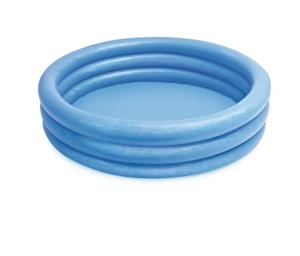
At their core, inflatable pools are portable, above-ground swimming areas supported by air-filled walls or rings rather than rigid frames or in-ground construction. But that one-sentence definition sells them dramatically short. Today's inflatable pools range from tiny splash pads barely big enough for a toddler to enormous family-sized lagoons that hold thousands of gallons of water and come equipped with filtration pumps, built-in benches, and cup holders.
The key distinction that sets inflatable pools apart from other portable pool types is the air-filled structure itself. Those cushiony inflated walls make them softer, safer, and far more forgiving than steel-framed alternatives — a real bonus when small children are involved. They also pack down into surprisingly manageable bundles when deflated, which means storage at the end of summer isn't the nightmare it might seem.
The Different Types of Inflatable Pools
Not all inflatable pools are the same, and understanding the main categories will help you find the right fit for your yard, your budget, and the people who'll actually be using it.
Kiddie and Toddler Pools
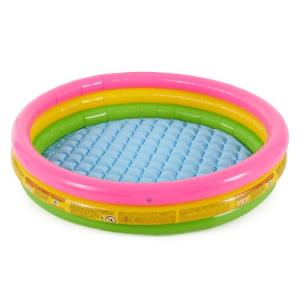
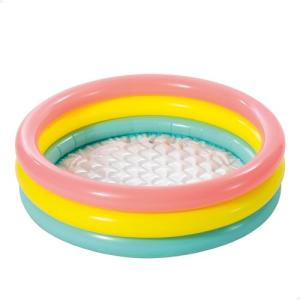
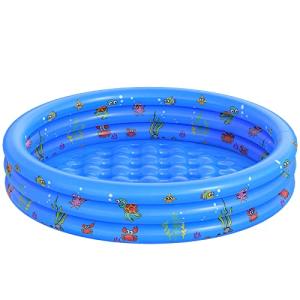
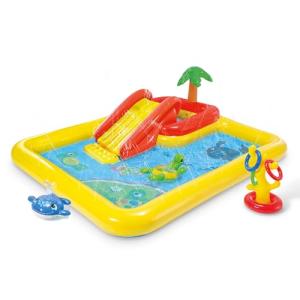
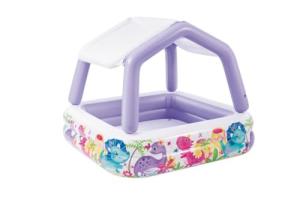
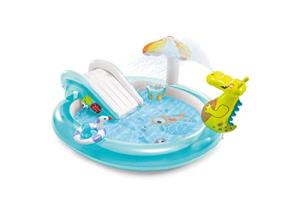
These are the smallest members of the inflatable pool family, and they're designed with the youngest swimmers in mind. Typically holding just a few inches of water, they're sized for children under five and are often decorated with bright colors, cartoon characters, and built-in sprinkler rings or small slides. They're lightweight, easy to fill and empty, and can be set up in minutes.
Don't underestimate how much joy a simple kiddie pool can bring. For a toddler experiencing their first summer, a small inflatable filled with lukewarm water and a handful of bath toys is a genuinely thrilling universe. And for parents, the peace of mind that comes from having two to three inches of water instead of four feet is hard to overstate.
Family-Sized Inflatable Pools
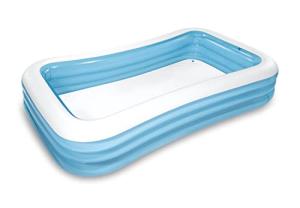
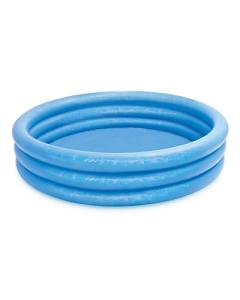
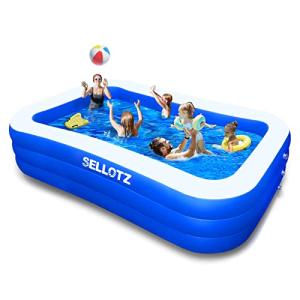
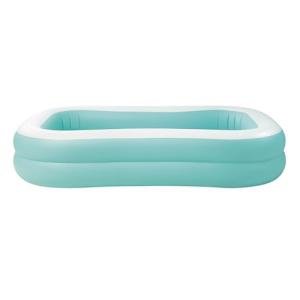
Step up in size and you're looking at the most popular category: mid-range inflatable pools designed for the whole family. These typically measure anywhere from 8 to 15 feet in diameter and hold several hundred to a few thousand gallons of water. They're deep enough for adults to sit comfortably submerged to their shoulders, and spacious enough for kids to splash and swim without constantly bumping into each other.
Many family-sized inflatable pools now come packaged with a small filtration pump — a game-changer for anyone who remembers the murky, algae-friendly water of older models. With a pump running, you can maintain the water for days or even a couple of weeks before needing a full change, which saves both water and effort.
Inflatable Hot Tubs and Spa Pools
Yes, they make those too. Inflatable hot tubs and spa-style pools are heated, jetted versions of the traditional inflatable pool concept, and they've developed a devoted following among adults who want the hot tub experience without the hot tub price tag. Many models heat water to temperatures above 100°F, include bubble jets for hydrotherapy, and fold up for off-season storage. They're not quite the same as a built-in spa, but they're a lot closer than you might expect.
Large Rectangular and Oval Pools
For families who want genuine swimming space — enough to do actual laps or play water games — there are large rectangular and oval inflatable options that can stretch 18 feet or more in length. These models often bridge the gap between inflatable and frame pools, sometimes using a combination of inflatable top rings and internal structure to maintain their shape. They're still far easier to set up and take down than traditional above-ground pools, and they cost a fraction of the price.
Why Choose an Inflatable Pool?
The honest answer is: convenience and cost. A professionally installed in-ground pool can run anywhere from $35,000 to well over $100,000 once you factor in landscaping, fencing, permits, and ongoing maintenance. Even a mid-range steel-walled above-ground pool typically costs several thousand dollars and requires real installation effort.
A quality inflatable pool, on the other hand, might cost anywhere from $30 to $600 depending on size and features — and setup requires no professional help, no permits, and no tools beyond a hose and an air pump.
But beyond the price point, inflatable pools offer something built-in pools simply can't: flexibility. You can move them. You can drain them when hurricane season approaches. You can store them in a garage when the weather turns cold. You can take a large one to a vacation rental or a family reunion. That portability has real value that tends to get overlooked when people compare "real" pools to inflatable ones.
What to Look for When Buying an Inflatable Pool
Shopping for an inflatable pool involves a few key considerations that aren't always obvious at first glance.
Size and Space
Measure your yard before you buy, and then measure it again. Inflatable pools need flat ground with a few extra feet of clearance on each side. They're heavier than they look when full — a pool holding 1,000 gallons of water weighs over 8,000 pounds — so the surface underneath matters. Soft, level grass is ideal. Sloped or uneven ground can cause walls to buckle and create uneven water depth that's both awkward and potentially unsafe.
Think realistically about how many people will use the pool at once. A 10-foot round pool sounds big until four adults try to use it simultaneously. For genuine family use with adults included, bigger is almost always better.
Material Quality and Wall Thickness
The vinyl used in inflatable pools varies considerably in quality. Thicker gauge vinyl resists punctures better, holds up to UV exposure longer, and maintains its structure more reliably over a season. Look for pools with multiple layers of material, reinforced seams, and UV-resistant coatings. Cheaper pools will often show their age within a single season — fading, stretching, developing slow leaks — while better-made models can last three to five years with reasonable care.
Pump and Filtration
If you plan to keep water in your pool for more than a day or two, a filtration pump is essentially mandatory unless you enjoy the idea of green water and very unhappy swimmers. Many mid-to-large pools now include a filter pump in the box; for those that don't, purchasing a compatible aftermarket pump is highly recommended.
Pay attention to the pump's flow rate measured in gallons per hour, and compare it to your pool's total water volume. A pump rated for a smaller pool won't keep a larger one clean. A basic rule of thumb is that the pump should cycle the pool's total water volume through the filter roughly every eight hours.
Ease of Inflation
Most inflatable pools are designed to be inflated with a standard electric air pump, which makes the process quick and painless. Some smaller models include a hand pump or can even be inflated by mouth in a pinch. A few larger models feature inflation valves designed for specific pump types, so double-check compatibility before you buy if you're planning to use a pump you already own.
Setting Up Your Inflatable Pool
Setup is genuinely one of the best things about inflatable pools. No concrete, no professional installation, no waiting. Choose a flat, shaded (or partially shaded) spot in your yard. Clear away any sharp rocks, sticks, or debris — a ground tarp or pool pad underneath is an excellent investment for protecting the bottom of your pool and extending its life.
Inflate the pool according to the manufacturer's directions, fill it with water, and you're done. The whole process for a mid-sized family pool typically takes between 30 minutes and two hours, depending on how long it takes to fill with water.
Maintenance Tips That Actually Work
Keeping an inflatable pool clean doesn't require a chemistry degree, but a little consistency goes a long way.
Test the water regularly using simple pool test strips, which measure pH and chlorine levels. Maintaining slightly alkaline water with proper sanitizer keeps bacteria in check and prevents the water from becoming irritating to eyes and skin. Inflatable pools generally benefit from the same basic water chemistry principles as any pool: balanced pH (between 7.2 and 7.6), appropriate sanitizer levels, and shock treatment if the water gets heavy use or sits through hot weather.
Skim debris off the surface daily. A small hand skimmer costs almost nothing and saves the filtration pump from working harder than it needs to. Cover the pool when not in use to reduce evaporation, limit debris, and block algae-encouraging sunlight.
At the end of the season, drain the pool completely, clean every surface with a mild pool cleaner, and allow everything to dry thoroughly before folding and storing. Packing away a damp pool is the number one cause of mold and material degradation over the winter months.
Safety First — Always
Inflatable pools are safe and fun, but they deserve the same basic safety respect as any body of water. Children should always be supervised near the water, regardless of depth. Even shallow kiddie pools present drowning risks for very young children.
Install a fence or barrier if your pool is large enough to pose a risk, and establish clear rules about running near the pool edges. The soft inflated walls that make these pools so appealing can also be easy for small children to topple over — something to keep in mind during setup and placement.
Drain smaller pools when not in use, especially if young children are present. It's a small extra step that removes risk entirely.
Inflatable pools have earned their place as one of summer's most versatile and rewarding purchases. They democratize the backyard swimming experience — making it accessible to renters, to families in smaller homes, and to anyone who wants to beat the heat without breaking the bank or committing to permanent construction.
Whether you're looking for a two-foot splash zone for a curious toddler, a sprawling family pool that takes up half the lawn, or even a heated spa-style setup for relaxing evenings outdoors, there's an inflatable pool designed for exactly that purpose. The key is knowing what you want, understanding what to look for, and taking basic care of what you buy.
Summer is short. An inflatable pool is a simple, joyful way to make the most of every warm day you've got.