What Makes a Hot Tub Worth Buying?
Not all hot tubs are created equal, and the difference between a mediocre soak and a genuinely transformative experience often comes down to a few key factors: build quality, jet performance, energy efficiency, and the thoughtfulness of the design.
A well-built hot tub should last 15 to 20 years with proper maintenance. That means you're not just buying an appliance — you're investing in roughly two decades of morning soaks, late-night conversations under the stars, and post-workout recovery sessions. It's worth taking the time to get it right.
The best hot tubs combine powerful hydrotherapy jets with efficient heating systems, durable cabinet materials, and intuitive controls. They're engineered to hold temperature without running up your electricity bill, and they're designed so that maintenance doesn't become a second job.
Hot Tub Sizes: Finding the Right Fit
2–3 Person Hot Tubs (Small/Compact)
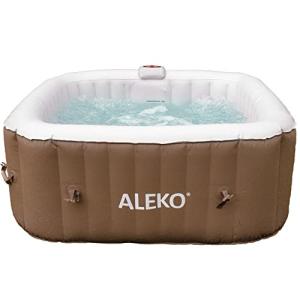
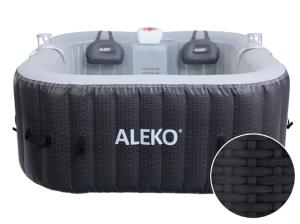
If you have a smaller yard, a tight deck, or you primarily plan to use the hot tub solo or as a couple, a compact 2–3 person model is often the smartest choice. These tubs typically measure around 6 feet across and can fit comfortably on most patios without dominating the space.
Don't let the smaller footprint fool you — compact hot tubs can be just as feature-rich as their larger siblings. Many come loaded with targeted jets, LED lighting, and Bluetooth audio. They're also easier on your energy bills since there's simply less water to heat and maintain.
Small hot tubs are a popular choice for urban homeowners, condo dwellers with rooftop access, or anyone who wants a personal retreat without a major footprint commitment.
4–6 Person Hot Tubs (Mid-Size)
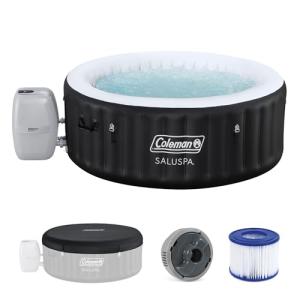
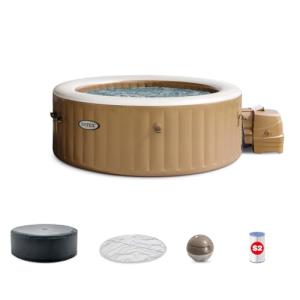
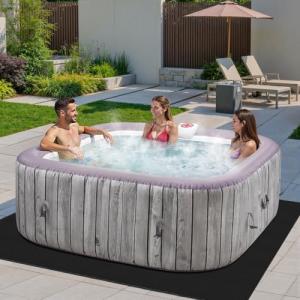
This is where most families and entertaining households land. A mid-size hot tub offers enough room for the kids after a long day at the pool, enough seats for a small gathering of friends, and enough variety in jet placement that everyone can find their preferred spot.
Mid-size models — typically ranging from 7 to 8 feet — hit a sweet spot between capacity and energy efficiency. They're versatile enough to handle solo relaxation and social evenings in equal measure. Many of the most popular hot tub models on the market fall into this category, which also means the widest range of features, colors, and price points to choose from.
7–8+ Person Hot Tubs (Large/Party Size)
For those who love to entertain or have a large family, a full-size hot tub delivers maximum flexibility. These larger models often feature swim-up bar seating, lounge positions on multiple sides, and dozens of jets arranged to hit every major muscle group from multiple angles.
Large hot tubs are also increasingly popular in vacation rental properties, as they become a genuine selling point for guests looking for a premium experience. If that's your use case, it's worth looking at commercial-grade models built for higher usage volume and easier chemical management.
Understanding Hot Tub Jets: More Isn't Always Better
One of the most misunderstood specs in the hot tub world is jet count. You'll see some manufacturers advertising 50, 80, even 100+ jets — and while that sounds impressive, raw numbers don't tell the whole story.
What matters more than quantity is jet quality, placement, and the pump power behind them. Fifty jets running off an underpowered pump will deliver a gentler experience than 30 strategically placed jets powered by a high-flow system. The goal is targeted hydrotherapy — jets positioned to address the neck, lower back, calves, feet, and shoulders — not just the sensation of a lot of movement in the water.
Look for hot tubs that describe their jet types specifically. Rotating jets create a kneading sensation ideal for tight muscles. Directional jets deliver focused pressure to specific points. Wide-coverage jets offer a broader, softer massage. The best configurations combine several types to give you a genuinely therapeutic experience.
Energy Efficiency: The Cost of the Soak
Here's a conversation that doesn't always happen in the showroom but absolutely should: how much will this hot tub add to your electricity bill?
The honest answer is: it depends. An energy-efficient modern hot tub, properly insulated and equipped with a quality cover, typically costs between $20 and $50 per month to run in most climates. Older models, poorly insulated tubs, or those left without a cover in cold weather can run significantly higher.
When comparing models, look for full-foam insulation (which fills the entire cabinet cavity rather than just lining the shell), energy-efficient pumps, and a well-sealed cover with a high R-value. These features work together to retain heat and reduce the frequency of the heater cycling on.
Some newer models also include economy modes, smart scheduling, and sleep settings that further reduce operating costs. If you're in a colder climate and plan to run the tub year-round, these features are absolutely worth prioritizing.
Hot Tub Materials and Build Quality
Shell Materials
The interior shell of a hot tub is most commonly made from acrylic, which is durable, non-porous, and available in a range of colors and finishes. High-quality acrylic shells are backed with fiberglass reinforcement for added strength and resistance to flexing under the weight of water and occupants.
Some budget-oriented models use rotomolded polyethylene or thermoplastic construction, which can work well for light use but tends to show wear faster over time. If longevity is a priority, acrylic-shell models are the standard recommendation.
Cabinet Materials
The exterior cabinet does a lot of work — it protects the internal components, contributes to insulation, and sets the visual tone of the entire installation. Common materials include:
Synthetic wood composites — The most popular option today. These materials mimic the look of real wood while resisting rot, fading, and warping. They're low maintenance and hold up well in harsh weather conditions.
Real cedar or redwood — Beautiful and naturally resistant to rot, though they require periodic sealing and maintenance to keep looking their best. A good choice for those who want an authentic, natural aesthetic.
Aluminum — Found in higher-end modern designs, aluminum cabinets offer a sleek, contemporary look and exceptional durability with virtually zero maintenance.
The Role of Water Care Systems
Keeping hot tub water clean and balanced is one of the realities of ownership, but modern water care systems have made the job considerably easier than it used to be.
Traditional chlorine or bromine systems are still the most common and cost-effective approach. When properly managed, they keep the water safe and clear with minimal effort — just a weekly check of chemical levels and occasional shock treatments.
Salt water systems have grown in popularity as an alternative. They use a salt chlorinator to generate chlorine naturally from dissolved salt, which means softer-feeling water and fewer manual chemical additions. They're generally gentler on skin and eyes, and many hot tub owners find them easier to maintain once the system is calibrated.
Ozone and UV purification systems are often offered as add-ons that work alongside chemical treatment to reduce the amount of sanitizer needed. These systems break down contaminants at the molecular level and can significantly extend the intervals between chemical adjustments.
Whichever system you choose, the fundamentals are the same: test regularly, balance your pH and alkalinity, and keep the filter clean. A water care routine that takes 15 minutes a week is all it takes to keep your hot tub in great shape.
Features Worth Paying For
Once you've sorted out the basics — size, jets, insulation — there's a whole layer of features that separate a good hot tub from a genuinely great one.
LED lighting is one of the best bang-for-your-buck upgrades. Underwater lighting transforms the visual experience after dark, and color-changing options let you set the mood for any occasion. Many systems are controllable via app or touchscreen.
Bluetooth audio has become nearly standard on mid-range and premium models. Built-in speakers designed to handle outdoor conditions let you enjoy music, podcasts, or ambient sound without fighting wind noise or rigging up an external speaker setup.
Waterfall features and cascades add a sensory dimension beyond jets — the sound of moving water has genuine relaxation benefits, and the visual element of a waterfall makes the whole installation feel more luxurious.
Wi-Fi connectivity and app control lets you pre-heat the tub before you get home, monitor water temperature, adjust settings, and in some cases receive maintenance alerts directly to your phone. For those who love being able to manage everything remotely, this feature quickly becomes indispensable.
Ergonomic seating and lounger positions make a significant difference in comfort over extended soaks. Look for tubs where the seating geometry suits your body proportions — ideally, test before you buy.
Hot Tub Placement and Installation
Before you fall in love with a specific model, it's worth thinking through where it's going to live. Hot tubs are heavy — a fully filled mid-size tub can weigh between 3,000 and 5,000 pounds. Your deck, patio, or concrete pad needs to be structurally capable of bearing that load.
Access to a 240V electrical circuit is standard for most full-size models (some smaller plug-and-play tubs operate on 110V). A licensed electrician should handle any new circuit installation, and local permits may be required depending on your municipality.
Think about privacy, sun exposure, and proximity to the house when choosing your location. A spot that gets morning sun but afternoon shade tends to feel comfortable year-round. And being within a reasonable distance from a door makes cold-weather dashes back inside a lot less dramatic.
Hot Tubs and Health: The Real Benefits
Beyond simple relaxation, regular hot tub use has documented benefits for physical and mental health. Hydrotherapy — the therapeutic use of warm water and targeted water pressure — has been used for centuries, and modern research supports its effectiveness.
Warm water immersion raises body temperature, improves circulation, and reduces muscle tension. The buoyancy of water reduces effective body weight by up to 90%, taking pressure off joints and making movement easier for people dealing with arthritis, fibromyalgia, or chronic pain.
Regular soaking before bed has been shown to improve sleep quality, largely because the drop in body temperature after exiting the warm water signals the brain to prepare for sleep. And the mental health benefits — reduced cortisol levels, a forced break from screens, a space designed purely for rest — are real and meaningful.
Choosing the Right Hot Tub for You
The right hot tub is ultimately the one that fits your life. Think about how you'll actually use it: primarily solo, with a partner, with family, or entertaining guests? How much outdoor space do you have? What's your tolerance for maintenance? Are you looking for an intensive hydrotherapy experience or a more gentle, social soak?
Come in with those answers ready, and you'll find it much easier to cut through the noise and land on a model you'll be genuinely happy with for years to come.
Our range covers everything from compact entry-level tubs perfect for first-time buyers to premium large-format models loaded with every feature available. Browse by size, brand, or price, and don't hesitate to reach out — we're happy to help you find the right fit.
The best hot tub is the one you actually use. Find yours today.