Bath Rug vs. Bath Mat — What's the Difference?
People use these terms interchangeably all the time, but they're actually two different products designed to do slightly different jobs.
A bath mat is the thinner, more utilitarian option. It sits right outside the shower or tub, soaks up water from wet feet, and dries relatively quickly. It's built for function first.
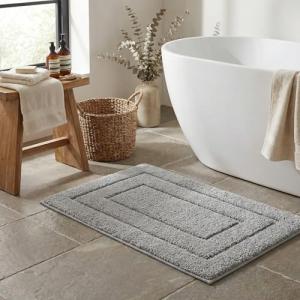
A bath rug is thicker, heavier, and typically more decorative. It's designed to add softness, warmth, and visual personality to your bathroom floor. You'll often find bath rugs placed in front of the vanity, near the toilet, or layered beneath a bath mat for that extra cushioned feeling underfoot.
Many homes use both — a mat directly outside the shower to catch water, and a rug in the drier zones to add comfort and style. It's a combination that makes a lot of sense, especially in larger bathrooms.
Bath Rug Materials: What Each One Brings to the Floor
The material your bath rug is made from affects everything — how it feels, how fast it dries, how long it lasts, and how often you'll need to wash it. Here's a breakdown of the most popular options:
Cotton
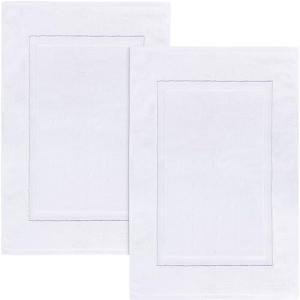
Cotton is the classic choice and remains the most popular material for a good reason. It's naturally absorbent, soft on bare feet, easy to machine wash, and available in just about every color and style imaginable. Long-staple cotton — like Egyptian or Turkish cotton — offers an especially plush, durable pile that holds up well over time. If you're not sure what to choose, cotton is almost always a safe and satisfying answer.
Chenille
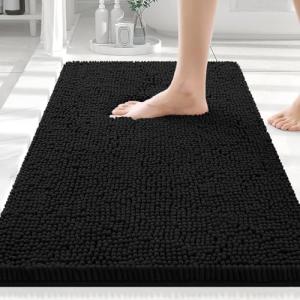
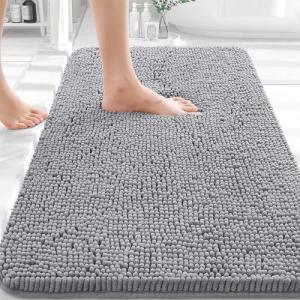
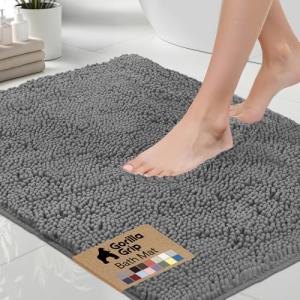
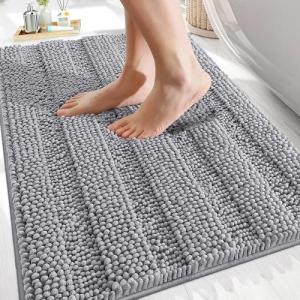
Chenille has exploded in popularity in recent years, and it's easy to see why. The soft, velvety texture feels genuinely luxurious underfoot, and the thick pile is excellent at absorbing moisture. Chenille rugs tend to be a little more delicate than cotton, so you'll want to follow wash instructions carefully — but the comfort payoff is real. Just make sure yours has a non-slip backing, as chenille's weight can cause it to shift on tile.
Memory Foam
If you've ever stayed in a nice hotel and marveled at how good the bathroom floor felt, there's a solid chance memory foam was involved. These rugs contour slightly to the shape of your foot, which feels especially wonderful on cold mornings. They're also great for people who spend time standing at the sink getting ready. The trade-off is that memory foam doesn't dry as quickly as cotton or microfiber, so it needs to be hung or aired out between uses in humid bathrooms.
Microfiber
Microfiber rugs dry faster than almost any other material, which makes them a smart pick for bathrooms with poor ventilation or humid climates. They're lightweight, easy to wash, and tend to be very affordable. The texture is softer than you might expect, though they don't quite reach the plushness of thick cotton or chenille. For a practical, no-fuss rug that dries overnight, microfiber is hard to beat.
Bamboo
Bamboo bath rugs have a completely different feel — they're firm, slatted, and give your bathroom a clean, spa-like aesthetic. They don't absorb water (you step on them rather than into them), but they're naturally antimicrobial, resistant to mold and mildew, and incredibly durable. Bamboo is a particularly good choice for bathrooms with great ventilation or for people who prefer a minimalist, organic look.
Wool and Shag
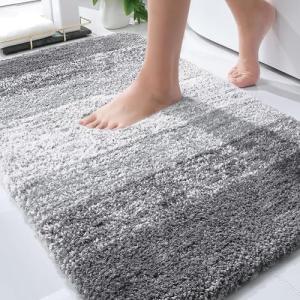
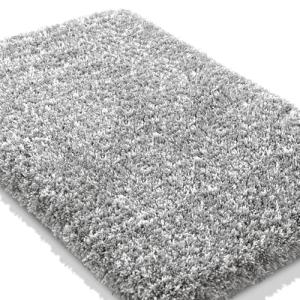
Wool rugs are durable, naturally moisture-resistant, and add a cozy, textured look to the bathroom. Shag rugs — whether made from wool, cotton, or synthetics — have a high pile that feels especially soft and inviting. Both materials work best in lower-moisture areas of the bathroom, away from the direct splash zone of the shower.
Sizes and Shapes: Getting the Fit Right
Bath rugs come in a surprisingly wide range of sizes, and choosing the right dimensions matters more than most people realize. A rug that's too small looks awkward and doesn't provide enough coverage; one that's too large can crowd a small bathroom and trap moisture.
Here are the most common sizes and where they work best:
17" x 24" — The most compact standard size. Works well in small powder rooms, in front of a pedestal sink, or as a secondary accent rug in a larger bathroom.
20" x 32" or 20" x 34" — The go-to size for most standard bathrooms. Fits comfortably in front of a tub or shower and provides good coverage without overwhelming the space.
24" x 36" or larger — Better suited for double vanities, larger walk-in showers, or master bathrooms where more floor coverage is both practical and visually appropriate.
Runners (24" x 60" and beyond) — Runner-style rugs are ideal for galley bathrooms, long vanity walls, or any bathroom where you want continuous coverage along a stretch of flooring. They look polished in spa-inspired or contemporary spaces.
Contour/U-shaped rugs — These wrap around the base of the toilet and are a common part of coordinated bathroom rug sets. They're a practical choice if you want the area around the toilet to feel as finished as the rest of the room.
As a general rule, measure your space before you buy. You want the rug to fit within the footprint of the fixture it's placed in front of, with a few inches of tile or flooring visible on either side.
Non-Slip Backing: A Feature You Shouldn't Skip
Bathroom floors are slippery — that's just the reality. Wet feet on tile is one of the most common causes of household falls, particularly for children and older adults. A bath rug without proper non-slip backing can shift underfoot and actually make the situation more dangerous, not safer.
Look for rugs with rubber, latex, or rubberized spray backing. These grip the floor and keep the rug securely in place. If you fall in love with a rug that doesn't have built-in grip, you can always add a non-slip rug pad underneath — these are inexpensive, effective, and cut to fit any size.
One note: if your bathroom floor is textured or has grout lines, suction-style backing tends to be less effective. Flat rubber or foam pads typically work better on uneven surfaces.
Style and Design: Making It Work with Your Bathroom
Bath rugs have come a long way from the plain beige rectangles of decades past. Today's options run from minimalist solid colors to bold geometric patterns, Persian-inspired prints, coastal designs, boho textures, and playful novelty prints.
Here are a few principles that make styling easier:
Match your rug to your towels, not your walls. Since towels and rugs are both soft goods and are usually visible at the same time, coordinating them creates a polished, cohesive look. You don't need to match exactly — complementary tones often look better than a perfect matchy-matchy set.
Use the rug to add color to a neutral bathroom. If your bathroom is all-white tile and chrome fixtures, a rug in a warm terracotta, soft sage, or deep navy can add real warmth and personality without requiring a renovation.
In a heavily patterned bathroom, keep the rug simple. If you already have bold tile, patterned wallpaper, or colorful accessories, a solid or subtly textured rug will balance things out rather than competing for attention.
Consider the style direction you're going for. Chunky shag rugs read as boho or cozy-casual. Thin cotton rugs in muted tones feel clean and contemporary. Persian or floral patterns bring a traditional or eclectic elegance. Bamboo and stone-textured mats feel spa-like and modern.
Current trends lean toward earthy tones, textured weaves, and rugs with a slightly elevated design sensibility — the kind of piece that makes you feel like the bathroom was intentionally designed rather than thrown together.
Caring for Your Bath Rug
Bath rugs accumulate moisture, skin cells, soap residue, and general bathroom traffic fast. Washing them regularly isn't optional — it's necessary for hygiene and for keeping the rug looking and smelling good.
A reasonable general rule is to wash your bath rug every one to two weeks, or more frequently if multiple people share the bathroom. Between washes, shake it out and hang it to air dry after use. This prevents mildew from developing in the pile.
Most cotton, chenille, microfiber, and synthetic rugs are machine washable. Use warm water, a gentle detergent, and avoid fabric softener — it can coat the fibers and reduce absorbency over time. Tumble dry on low, or air dry flat to preserve the shape.
Memory foam rugs should not go in the dryer. The heat can damage the foam core. Air drying is essential.
Bamboo rugs are the outlier — wipe them down with a damp cloth and mild soap. They can't be machine washed, but they also don't need it as often because they don't absorb water.
Knowing when to replace your bath rug is just as important as knowing how to clean it. Signs it's time for a new one: persistent musty smell even after washing, fraying or thinning pile, faded color that no cleaning will restore, or backing that has cracked and lost its grip.
Coordinated Sets vs. Individual Pieces
Many retailers sell bath rugs as coordinated sets — a standard rectangle, a contour rug for the toilet area, and sometimes a lid cover — all in matching colors and materials. These sets are convenient and take the guesswork out of matching. They tend to be a good option when you're outfitting a guest bathroom or doing a full bathroom refresh.
That said, mixing individual pieces can produce a more interesting, layered look. A patterned runner near the vanity paired with a solid mat outside the shower, for example, can look deliberately styled rather than matchy in a generic way. It's a slightly more involved approach but gives you more creative control.
Quick Buying Checklist
Before you commit to a bath rug, it's worth running through a few practical questions:
Where will it go — directly outside the shower, near the vanity, or both? That determines the size and how much absorbency you actually need. Who uses the bathroom most — adults, children, elderly family members? That affects how important non-slip backing is. Does your bathroom dry out quickly, or does humidity linger? That points you toward faster-drying materials. How often are you willing to wash it? Some materials demand more care than others.
Getting these details right before shopping saves you the frustration of buying something beautiful that doesn't actually work well in your specific space.
A good bath rug is one of the easiest upgrades you can make to your bathroom. It doesn't require any installation, it doesn't cost a fortune (unless you want it to), and the daily impact — the comfort, the warmth, the way it makes the room feel finished — is something you'll notice every single day.
Whether you're drawn to the cloud-soft luxury of a thick chenille pile, the quick-drying practicality of microfiber, the spa aesthetic of bamboo, or just a well-made cotton rug in exactly the right shade of green, there's a bath rug out there that fits your bathroom, your lifestyle, and your floor.
Browse the full collection and find yours.