Why Bathroom Storage Actually Matters
Most people don't think of storage as a design choice. They think of it as something you deal with when things get out of hand — a last-resort drawer insert or a cheap rack bought in a hurry. But the truth is that thoughtful bathroom storage is one of the highest-return improvements you can make to your home without spending a fortune or swinging a sledgehammer.
A well-organised bathroom starts the day better. When everything has a place — your morning skincare steps laid out sensibly, your towels within easy reach, your hair tools not tangled in a drawer somewhere — the whole routine just flows. It's less time hunting for things and more time for everything else. And when guests come over, a tidy bathroom makes an impression that no scented candle can fully compensate for.
Beyond the practical side, bathroom storage has become a genuine design category in its own right. The days of hiding away your toiletries in a purely functional plastic bin are over. Today's storage pieces can be as beautiful as any piece of furniture — open shelving in warm walnut, minimalist wall-mounted units in matte black, woven baskets that bring a spa-like softness to the room. Storage can pull a design scheme together rather than quietly working in the background.
The Main Types of Bathroom Storage
Understanding the different types of bathroom storage helps you figure out what your space actually needs — rather than buying things that look good in photos but don't solve the right problem.
Bathroom Cabinets and Vanity Units
Cabinets are the cornerstone of bathroom storage for most homes. They come in freestanding and wall-mounted configurations, and choosing between the two largely comes down to your floor space and personal preference.
Freestanding vanity units sit on the floor and typically include a sink integrated into the top, making them a highly functional combination of fixture and furniture. They're ideal for full bathroom renovations or for spaces that are being upgraded from scratch. Wall-mounted vanities, on the other hand, float above the floor which creates a visual sense of openness — especially valuable in smaller bathrooms. The floor-to-wall gap makes cleaning easier too, which is a genuinely underrated practical benefit.
Mirrored bathroom cabinets deserve a special mention here. Positioned above the sink, they pull double duty as mirror and medicine cabinet, tucking away everyday essentials behind a reflective surface. In a small bathroom, this is one of the smartest moves you can make — you lose no visual space while gaining a meaningful amount of storage.
Shelving — Open and Floating
Open bathroom shelving has had a real moment in recent years, and it's not hard to see why. Floating shelves installed above the toilet, beside the sink, or in an alcove turn dead wall space into usable storage without closing off the room. They're particularly good for displaying items you actually want to see — rolled towels, attractive soap dispensers, small plants, a candle.
Corner shelves are a slightly underused option worth exploring. Corners are often wasted space in bathrooms, and a tiered corner shelf unit — whether freestanding or wall-mounted — converts that awkward zone into storage without consuming much visual or physical real estate.
Ladder shelves offer a freestanding alternative that leans against the wall and requires no drilling at all. They work well in rental properties or for anyone who wants flexibility to rearrange without leaving holes in the tiles.
Over-the-Toilet Storage
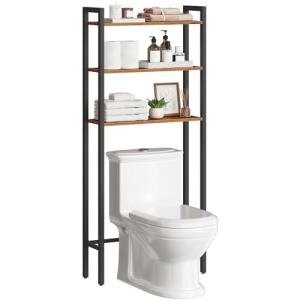
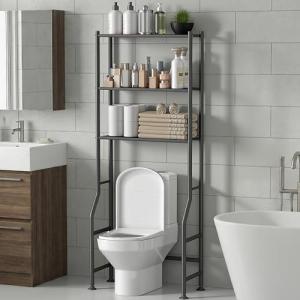
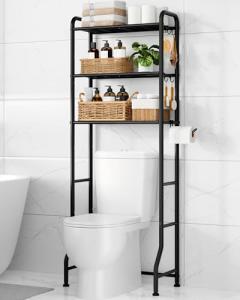
The space above the toilet is one of the most reliably underutilised areas in any bathroom. Over-toilet storage units, sometimes called étagères, are designed specifically to span and stand above the cistern, turning that empty vertical stretch into useful shelving.
These units come in a wide range of styles — from simple open frames in black metal to enclosed cabinet designs with doors that keep things out of sight. They're a practical first choice for anyone in a small or medium bathroom who wants to add storage without any installation work.
Shower and Bath Storage
The shower zone has its own set of storage demands. Shampoos, conditioners, body washes, razors, and assorted other products need to be within reach without turning the shower floor into an obstacle course.
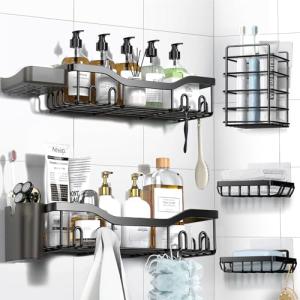
Shower caddies are the most familiar solution, ranging from simple over-the-showerhead hooks to tension pole caddies that sit in the corner of the enclosure. Wall-mounted shower niches — tiled recesses built directly into the wall — offer the cleanest possible look, though they require installation during a renovation rather than as an afterthought.
For freestanding baths, a bath rack or caddy that rests across the tub's width turns bath time into something genuinely indulgent. Many come with slots for a tablet or book, a wine glass holder, and candle ledges — small touches that make a real difference.
Drawer Organisers and Under-Sink Solutions
Inside drawers and cabinets, the problem isn't usually space — it's the absence of any structure within that space. A drawer organiser divides your existing storage into logical zones, so your daily skincare lives separately from hair accessories, and the spare batteries stop migrating into everything else.
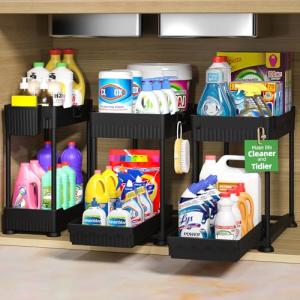
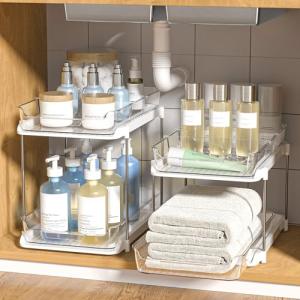
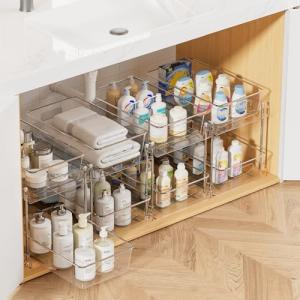
Under-sink storage is its own particular challenge because of the plumbing. Pipes cut the usable space in awkward ways, and without the right approach, the area becomes a graveyard for half-empty bottles and cleaning products. Stackable bins, pull-out drawers designed to work around pipe cutouts, and tiered shelf inserts all help make the most of this frequently wasted area.
Towel Storage
Towel storage sits at the practical intersection of bathroom function and interior style. Towel rails and rings are primarily functional, keeping towels accessible and allowing them to dry properly between uses. But heated towel rails go a step further, turning a functional piece into one of those small luxuries that genuinely improve everyday life — particularly in colder months.
For extra towels and linen, freestanding towel stands and ladder-style towel holders offer a softer, more decorative option. They're easy to move and work well in both main bathrooms and guest rooms.
Choosing the Right Materials
Material choice in bathroom storage is not just about looks. Bathrooms are humid environments, and not every material handles moisture equally well.
Stainless steel and aluminium are among the most durable options for bathroom settings. They resist rust, wipe clean easily, and suit contemporary and minimalist design schemes particularly well. Matte black and brushed nickel finishes have become especially popular for their ability to hide water spots and fingerprints while adding a sleek visual edge.
Bamboo and teak are the go-to natural wood options for bathrooms, and with good reason. Both are naturally moisture-resistant and far more durable in wet environments than standard timber. They bring warmth and an organic quality to a space that metal and plastic simply can't replicate, and they align well with the growing preference for sustainable, eco-conscious materials.
High-quality plastic and resin remain sensible choices for certain applications — particularly for drawer inserts, shower caddies, and smaller organisers. They're lightweight, affordable, and completely moisture-proof. The key is choosing pieces with clean lines and neutral finishes rather than purely functional designs that look like an afterthought.
Glass adds sophistication and a sense of lightness. Glass shelves in particular are excellent for small bathrooms because they don't block light or make the room feel more crowded. They do require a little more care to keep clean and spot-free, but the visual effect is worth it.
Matching Storage to Your Bathroom Style
The most effective bathroom storage isn't just functional — it's consistent with the rest of the room's design. A few broad style directions to consider:
Minimalist and contemporary bathrooms benefit from wall-mounted cabinetry with flat-front doors, handleless designs, and a neutral palette. The goal is clean surfaces and no visual clutter — which actually makes good storage even more important, because there's nowhere to hide the mess.
Japandi and natural aesthetics, blending Japanese simplicity with Scandinavian warmth, are one of the dominant bathroom trends right now. This style calls for natural materials like bamboo and teak, warm neutrals, open shelving that shows off neatly arranged items, and an overall sense of calm. Think less is more — and what you do display, display intentionally.
Traditional and classic bathrooms suit freestanding furniture, furniture-style vanity units with decorative details, and wicker or rattan baskets. Rich wood tones and chrome or brass hardware tie the look together.
Industrial aesthetics work well with steel and iron shelving, raw wood, and open storage that leans into the utilitarian feel rather than hiding it away.
Smart Storage Strategies for Small Bathrooms
Small bathrooms require strategic thinking rather than simply buying more storage. A few principles that reliably make a difference:
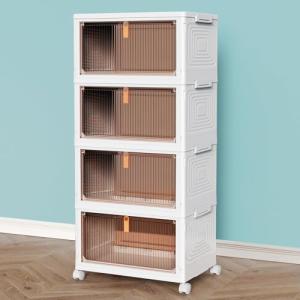
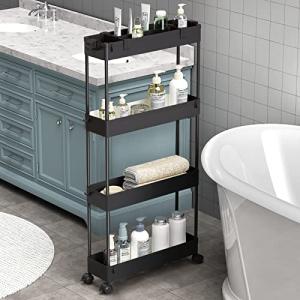
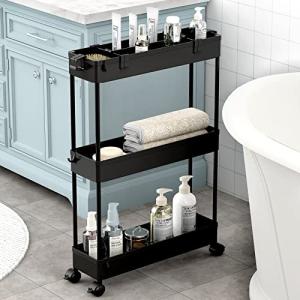
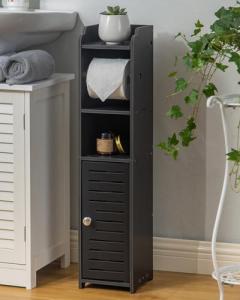
Go vertical. The full height of the wall above head level is almost always available. Tall, narrow storage towers, high-mounted shelving, and over-door organisers all make use of vertical space that floor-level solutions never reach.
Choose multi-functional pieces. A mirrored cabinet that also stores things, a vanity stool with interior storage, a towel rail that also functions as a room divider — every piece that serves more than one purpose pays for itself in small spaces.
Declutter before you organise. Bathroom storage products can only do so much. A thorough clear-out of expired products, duplicates, and items that genuinely belong in another room creates space that no organiser can manufacture from scratch.
Think about daily access. The products you use every single day should be the easiest to reach. Reserve higher shelves and harder-to-access spots for backup supplies, seasonal items, and things used less frequently.
How to Shop for Bathroom Storage
Before you buy, measure. It sounds obvious but it's the step most people skip, and it's the reason so many storage purchases end up back at the store. Measure the key dimensions of your space — width, height, and depth — and measure around plumbing where relevant. Check whether wall-mounted options are suitable for your wall type and whether you're able to install them or need to factor in professional fitting.
Consider the finish of your existing hardware. New storage pieces that clash with your tap finish or towel rail can feel off even if the shapes are right. Matching matte black to matte black, or brushed nickel to brushed nickel, is a small detail with a noticeable impact.
Think about the long term. A well-made cabinet or shelving unit will last a decade or more. Spending a little more on quality materials and construction almost always pays off compared to replacing a cheaper version every few years.
Bathroom storage is one of those categories where the right product genuinely changes how a space feels and functions day to day. It's not glamorous in the way that a new shower or a beautifully tiled floor is glamorous — but in terms of everyday impact, a properly organised, well-thought-out bathroom comes remarkably close. Whether you're starting with one drawer organiser or committing to a full vanity unit, you're investing in a room that earns it.