The Heart of Your Pool's Cleaning System
Think of your pool filter the way you'd think of your kidneys — quietly working in the background, removing everything that doesn't belong, so the rest of your body (or in this case, your pool) can function properly. Without a good filter running, what looks like a backyard paradise can turn into a murky, bacteria-laden mess faster than you'd expect.
A pool filter is the core of your pool's circulation system. Every drop of water in your pool passes through it repeatedly, getting cleaned of dirt, debris, body oils, sunscreen residue, algae spores, and microscopic contaminants before returning to the pool. It doesn't work alone — your pump pushes water through it — but the filter does the actual heavy lifting when it comes to water clarity and hygiene.
Choosing the right pool filter isn't just a technical decision. It affects how much time you spend on maintenance each week, how crystal-clear your water looks, how much water you waste, and what you pay in running costs over the years. Getting it wrong can mean constant algae problems, cloudy water, or a pump that burns out prematurely from fighting against a poorly matched system.
The Three Main Types of Pool Filters
There's no single "best" pool filter for everyone. The right choice depends on your pool size, how much time you want to spend on upkeep, your budget, and how pristine you want the water to look. Here's an honest breakdown of each type.
Sand Filters
Sand filters are the workhorses of the pool world — affordable, tough, and straightforward to use. They work by pushing pool water through a tank packed with specially graded silica sand. As water moves through, the sand catches dirt and debris, trapping particles down to around 20–40 microns in size. Clean water flows out the other side and returns to the pool.
Over time, as the sand fills up with debris, it actually becomes slightly more efficient at catching particles — right up until the point it gets too clogged to do its job properly. That's when you need to backwash, which means reversing the water flow to flush the trapped gunk out through a waste line. It takes a few minutes, it's easy, and most pool owners do it every one to two weeks depending on how busy the pool gets.
What's great about sand filters:
- They're the most affordable option upfront, making them popular for above-ground pools and budget-conscious setups
- Maintenance is simple — backwashing is quick and requires no special tools or skills
- The sand itself only needs replacing every 5 to 8 years, so ongoing costs are low
- They're durable and can last for decades with basic care
Where sand filters fall short:
- Their filtration level isn't the finest. At 20–40 microns, they'll miss smaller particles that make water look slightly hazy
- Backwashing uses a significant amount of water, which adds up over a swimming season
- If you've got green or cloudy water caused by very fine particles or algae, a sand filter will take considerably longer to clear it compared to other types
- They take up more space due to the plumbing required for backwash drainage
Sand filters are a solid, no-fuss choice for people who want a reliable system without complexity — especially for medium-sized residential pools that aren't surrounded by heavy foliage or debris.
One upgrade worth knowing about: you can swap the standard silica sand for an alternative media like ZeoSand (made from zeolite mineral) or even glass media. Both options improve filtration to finer particles and reduce how often you need to backwash, giving you some of the performance benefits of higher-end filters without the higher price tag.
Cartridge Filters
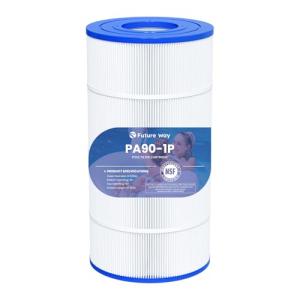
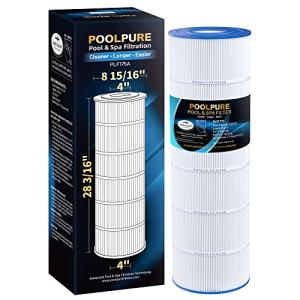
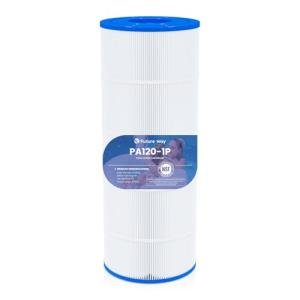
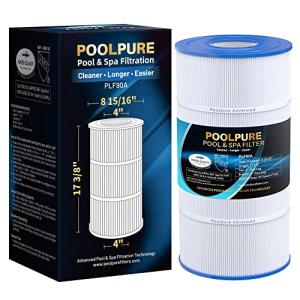
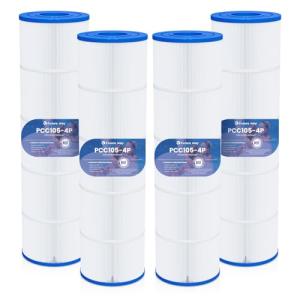
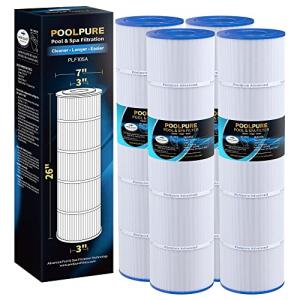
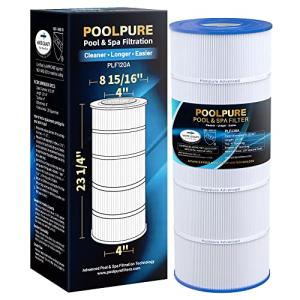
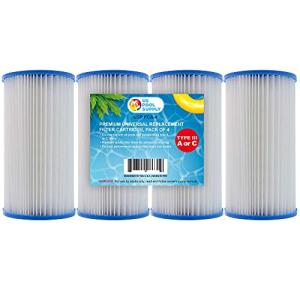
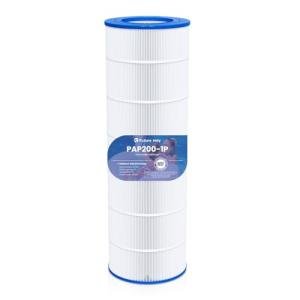
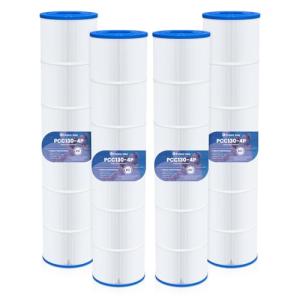
Cartridge filters have become the go-to choice for most residential pools, and it's easy to understand why. Instead of sand, they use pleated polyester cartridges — think of how a car's air filter works, but for water. The water passes through the pleated material, which traps dirt and debris down to around 10–15 microns.
There's no backwashing involved. When the filter needs cleaning, you simply open the housing, pull out the cartridge, and rinse it off with a garden hose. That's usually needed every few weeks during peak swimming season. Every year or two (depending on use), the cartridges get replaced entirely.
What's great about cartridge filters:
- Finer filtration than sand, resulting in noticeably clearer water
- No backwashing means you're not wasting hundreds of gallons of water each season — a real advantage in areas with water restrictions
- They're the easiest to maintain — no valves to turn, no backwash plumbing needed
- Lower back pressure on the pump, which can mean modest energy savings
- Compact footprint, making them ideal where space is limited
Where cartridge filters fall short:
- Cartridges need replacing periodically, which adds to the long-term cost
- They're not ideal for pools with very heavy debris loads — they clog faster if you're surrounded by trees or have lots of swimmers
- Not typically suited to large commercial pools where higher flow rates are needed
Cartridge filters hit a sweet spot for most homeowners: better performance than sand, less work than DE, and a sensible mid-range price. They're especially popular for salt water pools, where avoiding the constant backwashing helps keep the water chemistry more stable.
Diatomaceous Earth (DE) Filters
DE filters are the high-performance option — the choice for pool owners who genuinely want the cleanest, clearest water possible and are willing to put in a bit more effort to get it. Diatomaceous earth is a fine powder made from the fossilized remains of tiny aquatic organisms called diatoms. Inside a DE filter, a series of fabric-coated grids is coated with this powder, and as water flows through, even microscopic particles get trapped — down to just 2–5 microns. For reference, a human red blood cell is about 5 microns across.
The result is water so clean it's almost visually different from what you'd get with a sand filter. DE filters are especially useful for pools with high bather loads, pools in areas with fine dust or pollen, or anywhere water quality standards need to be at their best.
Maintenance involves periodic backwashing (similar to sand filters), but here's the important step: after backwashing, you need to add fresh DE powder to re-coat the filter grids. This adds a bit more work to the process. Every six months or so, the filter grids need a proper deep clean, and the grids themselves need replacing every two to three years.
What's great about DE filters:
- Best-in-class filtration — nothing touches DE for water clarity in standard residential filter types
- Compact tank size despite the superior performance
- DE filters actually use less pump energy than you might expect, as the fine media allows efficient flow when properly maintained
- Ideal for heavily used pools, pools near trees or dusty environments, and situations where water quality is a top priority
Where DE filters fall short:
- The highest upfront cost of the three types
- More hands-on maintenance — adding DE powder after backwashing is a step you can't skip
- DE powder disposal is regulated in some areas due to environmental concerns, so you need to check your local rules
- Not the most beginner-friendly option — there's a small learning curve
How to Choose the Right Pool Filter
With three solid options on the table, here's a practical way to think about the decision:
Go with a sand filter if you want a set-it-and-largely-forget-it system, you're working with a smaller budget, or you have a medium-sized above-ground pool that doesn't see extreme use. The maintenance is about as simple as it gets, and the running costs are low.
Go with a cartridge filter if you want better water clarity without a huge increase in maintenance effort, you're conscious about water usage, or you have a salt water pool. This is the right choice for most average residential pools, and it's no coincidence that cartridge filters are the most commonly installed option.
Go with a DE filter if you want genuinely exceptional water quality, you have a heavily used pool, or you're dealing with fine particles that other filters struggle to catch. Be prepared for the extra maintenance steps and a higher upfront investment.
Sizing Your Pool Filter Correctly
One of the most common mistakes pool owners make is buying a filter that's too small for their pool. An undersized filter has to work harder, clogs faster, and puts unnecessary strain on the pump. Over time, this leads to more frequent maintenance and shorter equipment lifespan.
Filter sizing is typically measured in terms of flow rate (gallons per minute, or GPM) and surface area. As a general rule, you want a filter rated for a higher flow rate than your pump actually delivers — giving it some headroom to work efficiently. Bigger is usually better when it comes to filter capacity. A larger filter means more surface area to catch debris, which translates to longer intervals between cleanings and better overall performance.
Filter Maintenance: Keeping Things Running Smoothly
Regardless of which type of filter you choose, a few universal habits will keep it performing at its best:
Your pressure gauge is the most useful tool you have. Filters have a normal operating pressure range (typically 10–25 PSI depending on the system). When the pressure climbs 8–10 PSI above your normal baseline, that's the signal that your filter needs attention — whether that means backwashing, rinsing a cartridge, or a full clean.
Don't neglect your water chemistry. A filter removes physical particles, but balanced chemistry — keeping pH, alkalinity, and sanitizer levels in check — reduces the load on the filter and prevents issues like scale buildup or algae growth that can clog filter media faster.
Inspect the components regularly. Check hoses, valves, and connections for leaks or cracks. If you notice filter media escaping back into the pool, it's worth investigating — a cracked internal component can allow unfiltered water to bypass the media entirely.
A Quick Word on Brands
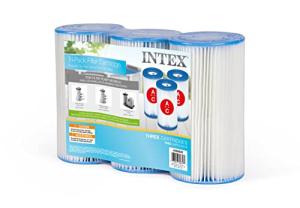
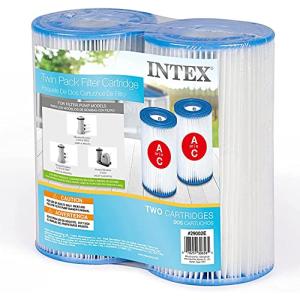
The pool filter market is well-established, with Pentair, Hayward, and Jandy representing the most widely trusted names across all three filter types. These brands offer solid warranties, widely available replacement parts, and large support communities — all useful when something eventually needs fixing. Intex makes affordable cartridge options well-suited to smaller above-ground pools. For premium DE performance, Hayward's Perflex line has long been respected for its build quality and ease of maintenance.
A pool filter is one of those purchases you'll live with for years, so it's worth taking the time to choose right the first time. Sand filters are the reliable, budget-friendly option that most people can operate with minimal fuss. Cartridge filters offer a meaningful step up in water quality without demanding much more of your time. DE filters deliver the best filtration available in this category, at the cost of a higher price and slightly more involved upkeep.
Whatever you choose, a properly sized, well-maintained pool filter means you spend less time troubleshooting cloudy water and more time actually enjoying your pool.