What Counts as a Pool Lounger?
The term "pool lounger" is actually a pretty broad umbrella. It covers two main categories: furniture you use beside the pool, and equipment you use in the water. Both serve the same fundamental purpose — getting you comfortable and relaxed — but they're built differently, and the best setups usually include a mix of both.
Poolside loungers are chairs and chaise lounges positioned on the deck. These are where you dry off after a swim, work on your tan, read a book, or just close your eyes and listen to nothing.
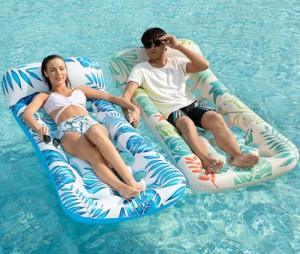
In-pool loungers are floats, inflatables, and purpose-built furniture designed to be used directly in the water — on tanning ledges, Baja shelves, or floating freely in the deep end.
Both matter. Together, they define what your pool experience actually feels like.
Types of Pool Loungers: Finding Your Match
Chaise Lounge Chairs
The classic poolside staple. A good chaise lounge reclines at multiple angles, supports your full body from head to heel, and stands up to years of sunscreen, splashing, and UV exposure without warping, rusting, or fading. Look for adjustable backrests with at least three or four positions, wide armrests, and some form of drainage if they feature cushions.
Materials matter a lot here. The most popular options are:
- Aluminum frames — rust-proof, lightweight, and easy to move around. Powder-coated finishes extend the life significantly, and they stay cool in direct sun better than darker metals.
- Teak and hardwood — the premium choice. Teak naturally resists moisture, insects, and rot, and it develops a beautiful silver-grey patina over time. It's heavier and more expensive, but a well-made teak lounger can outlast everything else by years.
- High-density polyethylene (HDPE) / poly lumber — an increasingly popular synthetic option that mimics the look of wood but resists chlorine, salt, sun, and moisture without any sealing or staining. Many brands back these with 20-year warranties.
- Resin and plastic — affordable, lightweight, and easy to stack and store. Quality varies enormously here, so pay attention to UV-stabilisation ratings.
Zero-Gravity Recliners
A subcategory worth calling out on its own. Zero-gravity chairs position your body so that your legs are elevated roughly to the level of your heart, distributing weight more evenly and reducing pressure on your spine. If you have back issues, or if you simply spend long hours lounging, this design makes a noticeable difference. They're not strictly "pool" chairs in the traditional sense, but they've become a permanent fixture on pool decks for a reason.
Pool Floats and Inflatable Loungers
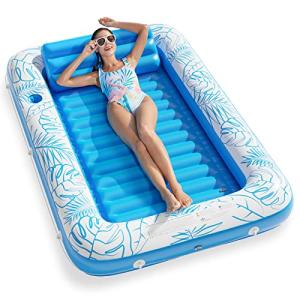
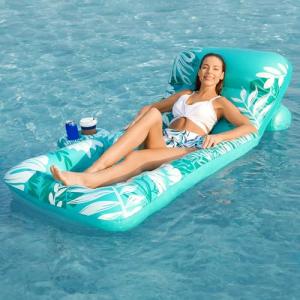
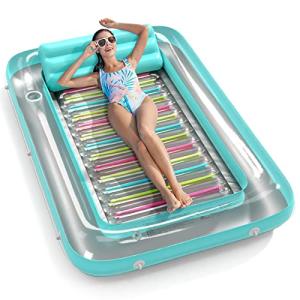
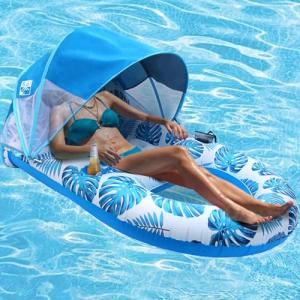
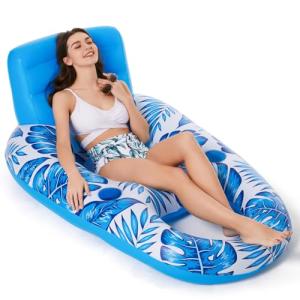
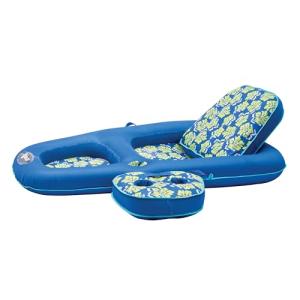
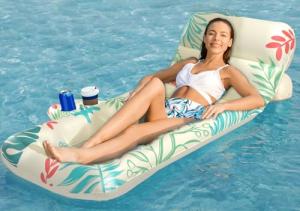
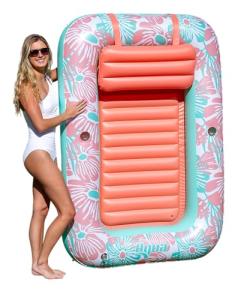
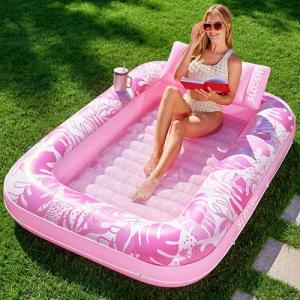
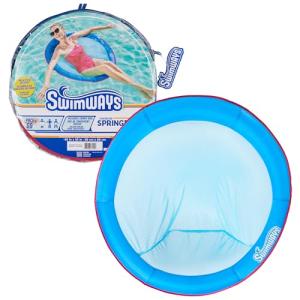
This is where things get fun. The inflatable pool float market has exploded in recent years, and what used to mean a basic foam rectangle now encompasses everything from single-person floating recliners with built-in headrests and cup holders, to massive double-ring loungers designed for two people to float side by side, to novelty floats big enough for the whole family.
When shopping for inflatables, a few things are worth checking carefully:
- Valve quality — look for fast-fill double valves that make inflation and deflation quick and airtight. Cheap single valves are a constant source of frustration.
- Material thickness — thicker PVC or reinforced nylon resists punctures and degrades more slowly in UV.
- Weight capacity — always check this, especially for floats marketed at children or intended to hold more than one person.
- Headrests and comfort features — built-in air pillows are far more comfortable than the raw edge of a float, and they dry quickly.
The main practical downside of inflatables is durability. Direct, prolonged sun exposure degrades PVC over time, so storing them out of the sun when not in use, or keeping them slightly damp during use, meaningfully extends their lifespan.
In-Pool Ledge Loungers
One of the fastest-growing categories in pool design. If your pool has a tanning ledge or Baja shelf — that shallow, sun-soaked platform usually sitting at around 9 to 12 inches of water — a purpose-built ledge lounger transforms it completely. These aren't inflatables. They're solid, UV-resistant, high-density chairs designed to sit in the water and hold their position, giving you that magical half-in, half-out experience that used to be exclusive to luxury resorts.
Brands like LEDGE, Tupelo Goods, and Floating Luxuries have effectively created this category, building ergonomically contoured chairs and chaise designs from materials that are safe for pool water, won't leach chemicals, and hold up to years of chlorine, salt, and sun without showing it.
Floating Daybeds and Luxury Floats
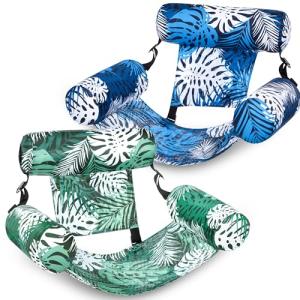
At the premium end of the in-water category, floating daybeds bring genuine resort-level comfort to the pool. These typically use marine-grade fabrics — often Sunbrella — filled with buoyant beads or foam that conform to your body. They drain and dry quickly, resist UV fading and mildew, and come in a range of designer colours and patterns. They're not cheap, but for people who spend serious time at their pool, they're transformative.
What to Look for When You're Buying
Material and Weather Resistance
This is the single most important factor for anything living outside. Pool furniture is exposed to a uniquely harsh combination of conditions: intense UV, pool chemicals (both chlorine and salt), constant moisture, and repeated wetting and drying. Whatever you choose, look for UV-stabilised materials, rust-proof hardware, and fabrics rated for mildew resistance. Sunbrella and similar solution-dyed acrylic fabrics are widely considered the benchmark for outdoor cushioning — the colour goes all the way through the fibre, so fading is dramatically reduced.
Comfort Features
Beyond the basic recline, think about: headrest support (built-in pillows vs. clip-on vs. none), armrest width and padding, seat depth and angle, and whether the lounger drains properly if it gets wet. A cushion that traps water and stays damp is an invitation for mildew.
Portability and Storage
Do you need to move your loungers regularly — to follow the shade, bring them inside in bad weather, or stack them when you have guests over? Lightweight aluminium frames fold flat for easy storage. Heavy teak or poly lumber chairs are set-it-and-leave-it pieces. Inflatables deflate completely for compact off-season storage. Think about your actual routine before committing.
Size and Space
A chaise lounge typically runs between 70 and 85 inches long. Make sure your deck has room for the chairs themselves plus space to walk around them, and ideally space for a side table between each chair. A cramped pool deck is its own kind of miserable.
Budget and Longevity
The pool lounger market runs from under €50 for a basic folding recliner to over €2,000 for a designer hardwood chaise. In general, you get what you pay for in terms of durability, but there are strong mid-range options in every category. A €300–600 aluminium lounger with quality cushions is a practical sweet spot for most buyers — durable enough to last 7–10 years with basic care, comfortable enough for long afternoons, and easy to move and maintain.
Styling Your Pool Deck
The practical stuff matters, but so does the way it all looks. A well-styled pool deck doesn't need to be complicated — a few consistent choices go a long way.
Stick to two or three colours for cushions and accessories. Tropical brights, nautical navy and white, and natural stone-toned neutrals are all perennial choices that hold up stylistically over time. Mix materials intentionally — the combination of warm timber, cool metal, and textured fabric is more interesting than any single material used throughout.
A pair of matching chaise lounges anchors the poolside visually. Add a side table or two for drinks, sunscreen, and phones. If your pool has a tanning ledge, a ledge lounger or two makes it a functional destination rather than just dead space. For social gatherings, a floating daybed in the water becomes an instant centrepiece.
Umbrellas and shade structures deserve a mention too. The best lounger in the world becomes uncomfortable in unbroken midday sun, and UV protection matters for both comfort and health. A good cantilever umbrella with a heavy base and an auto-tilt mechanism is a worthwhile addition alongside any pool lounger setup.
A Few Things People Often Forget
Tie-downs for inflatables. A light breeze can send a float to the far end of the pool or onto the deck. Inexpensive anchor tethers attach to the pool wall or floor and keep floats in place — especially useful if you're using them on tanning ledges.
Foot caps and floor protectors. Metal and hardwood chairs can scratch or stain pool decking. Silicone or rubber foot caps are a simple, cheap solution.
End-of-season storage. Even the most weather-resistant outdoor furniture benefits from being covered or stored over winter. A quality furniture cover extends the life of any lounger significantly, especially for cushioned pieces.
Cleaning routine. Rinse pool furniture — especially cushions — regularly with fresh water to remove chlorine residue. Salt water is particularly corrosive over time. Most quality outdoor fabrics can be scrubbed with mild soap; always check manufacturer guidance before using anything stronger.
A pool is only as good as the experience it creates, and that experience extends well beyond the water's edge. The right pool loungers — whether that's a pair of elegant teak chaise lounges flanking your deck, a plush floating daybed drifting in the shallow end, or a couple of vibrant inflatables for the kids to fight over — set the tone for everything else.
Shop for quality where it counts (frames and fabrics), be realistic about your space and how you actually use it, and don't underestimate the difference that genuine comfort makes. You'll spend hours in these chairs. Make them hours worth remembering.