What Is a Recessed Bathtub?
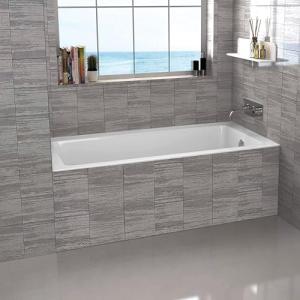
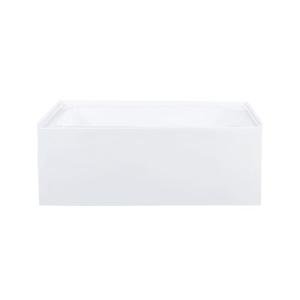
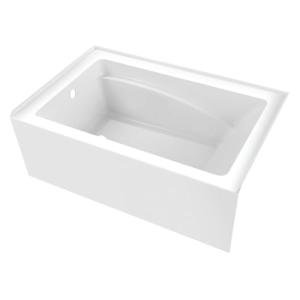
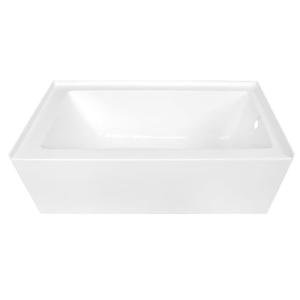
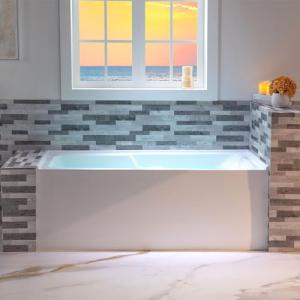
A recessed bathtub is any bathtub that's built into the structure of a bathroom rather than standing freely on the floor. The tub is set into a recess, alcove, deck, or platform, so that the finished installation looks like it belongs — clean, flush, integrated, and intentional.
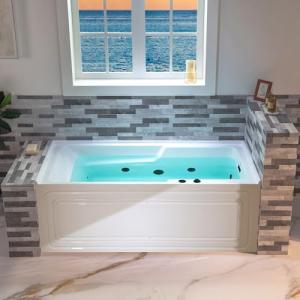
The most common type is the alcove tub, which sits inside a three-walled nook with a single exposed face (the apron or skirt side). But recessed tubs also include drop-in models, which are lowered into a custom-built deck or surround, and undermount styles, where the rim sits below the platform surface for a seamless, infinity-pool-like look.
All three styles share the same core advantage: they make efficient use of space while creating a tidy, built-in aesthetic that freestanding tubs simply can't replicate.
Why Choose a Recessed Bathtub?
They Fit Most Bathrooms Naturally
Freestanding tubs are beautiful, but they require clearance on all four sides and tend to dominate smaller rooms. Recessed tubs work with your room's existing architecture. They tuck into walls, corners, and alcoves — the spaces that are often underused in standard bathroom layouts.
For bathrooms under 60 square feet, a recessed tub may be the only type that fits comfortably without making the space feel cramped. Even in larger bathrooms, many homeowners prefer the orderly, built-in look of a recessed installation over the dramatic statement of a freestanding piece.
They're the Easiest Way to Combine a Tub and Shower
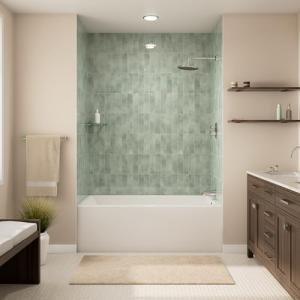
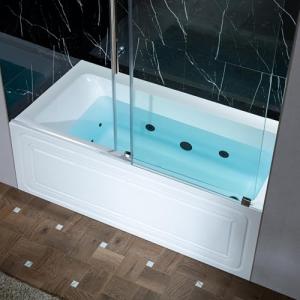
This is one of the most practical reasons people choose recessed tubs, and it's hard to overstate how much convenience this adds to a family bathroom. Because the alcove design encloses three walls, adding a shower curtain rod, a sliding glass door, or a fixed glass panel gives you a full tub-shower combo without any additional construction. Freestanding tubs can technically have a shower overhead, but the water containment is far messier and requires a lot more planning.
If you have kids, share a bathroom with others, or simply appreciate being able to take a quick shower without stepping into a dedicated stall, a recessed alcove tub is the most logical choice.
They Tend to Cost Less — for Both the Tub and the Installation
Recessed tubs generally sit in a lower price bracket than freestanding models. A quality alcove tub in acrylic or fiberglass can start around $300–600, with premium cast iron options in the $800–2,000+ range. Drop-in tubs follow a similar range, though the deck construction adds to the total project cost.
Installation labor also tends to be simpler for alcove tubs in particular, since the three surrounding walls do the structural work. If you're working with a budget, a recessed tub gives you the most bathing function per dollar spent.
They Work Well for Accessibility
Alcove tubs are the preferred choice for accessible bathroom design. The three surrounding walls give users something to brace against when getting in and out, which is especially helpful for older adults or anyone with limited mobility. Many models are available in ADA-compliant configurations, and the enclosed design makes it straightforward to add grab bars to the wall framing — far easier than trying to anchor safety features around a freestanding piece.
Types of Recessed Bathtubs
Alcove Bathtubs
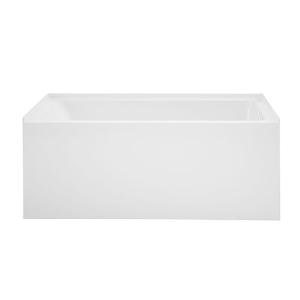
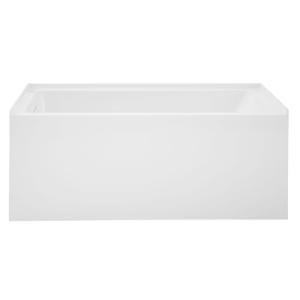
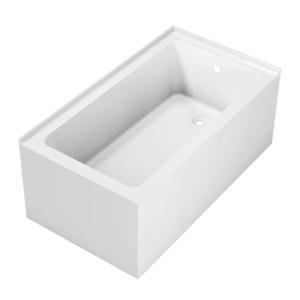
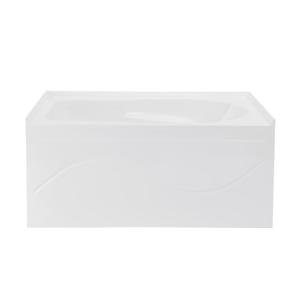
The classic. An alcove tub is installed between three walls, with one long side left open. That exposed face is finished with an apron panel — typically included with the tub — to create a neat, complete look. Most alcove tubs are rectangular, and standard dimensions run around 60 inches long by 30 inches wide, though you can find models ranging from 48 inches all the way up to 72 inches for longer soaks.
Alcove tubs are the workhorses of bathroom design. They're the right call when space is limited, budget matters, a shower combo is needed, or you simply want a no-fuss installation that looks clean and lasts for decades.
Best for: Small to medium bathrooms, families, tub-shower combos, rental properties, budget renovations.
Drop-In Bathtubs
A drop-in tub is set into a pre-built platform or deck, with only the rim of the tub sitting above the surround. The deck itself can be finished in tile, stone, wood, or any material that matches your bathroom design — which is where drop-ins get their design appeal. The wide, flat rim also creates a convenient ledge for candles, bath products, or just resting your arms.
Drop-ins require more construction than alcove tubs since the deck must be built first, but they reward that investment with a custom, built-in look that feels genuinely luxurious. Plumbing access can be trickier down the road, so it's worth building in an access panel during installation.
Best for: Master bathrooms, renovation projects with design ambitions, homeowners who want a custom, spa-like aesthetic.
Undermount Bathtubs
The undermount style takes the drop-in concept one step further. Instead of the rim sitting on top of the platform, it's mounted beneath the deck surface, so the tub opening is framed by the finished deck material with no exposed rim. The result looks remarkably like an infinity pool — smooth, seamless, and understated.
Undermounts are a premium option and tend to require more precise construction, but for homeowners chasing a truly polished, architectural finish, they're difficult to beat.
Best for: High-end bathroom remodels, minimalist design aesthetics, projects where a seamless finish is a priority.
Materials: What Your Tub Is Made Of Matters
Acrylic
By far the most common material in recessed tubs today. Acrylic is lightweight, available in a huge range of shapes and sizes, easy to clean, and warm to the touch — it doesn't feel cold the way ceramic or cast iron does when you first step in. It holds heat reasonably well and is forgiving to install. The trade-off is that acrylic can scratch more easily than harder materials, though surface scratches can often be buffed out. Most manufacturers back acrylic tubs with solid warranties.
Fiberglass
Fiberglass is even lighter and less expensive than acrylic, making it a popular choice for budget renovations. The main drawback is durability — fiberglass is more prone to cracking and fading over time, and it doesn't hold heat as well. For a guest bathroom or a rental property where the tub won't see heavy daily use, fiberglass is a sensible value pick. For a primary bathroom you'll use every day, spending a little more on acrylic is usually worth it.
Cast Iron
Cast iron tubs are heavy, expensive, and absolutely outstanding. The enamel-coated surface is exceptionally durable, virtually scratch-proof, and easy to clean. Cast iron retains heat better than any other material — fill it with hot water and it stays warm for a long time. The weight does create some logistical challenges (floor reinforcement may be required, and installation takes more labor), but a cast iron tub can genuinely last a lifetime. Brands like Kohler have been making cast iron alcove tubs for generations.
Enameled Steel
A middle ground between cast iron and fiberglass. Enameled steel tubs are lighter than cast iron but share a similar surface finish. They're more durable than acrylic or fiberglass and tend to be priced competitively. The downside is that they can be noisy (the steel resonates when filled) and they don't retain heat as long as cast iron.
Key Features to Look For
Soaking Depth — Standard alcove tubs have a water depth of around 14–16 inches, which is adequate but not generous. If soaking is a priority for you, look specifically for "deep soaking" models, which can reach 18–20 inches of water depth. Some modern alcove tubs are designed with steeper walls and a deeper well specifically to bridge the gap between a standard built-in tub and a soaking experience.
Drain Placement — This matters more than most people realize before they start their renovation. Right-hand and left-hand drain configurations exist to match your bathroom's plumbing layout. Getting this wrong can mean costly re-plumbing work, so confirm your pipe locations before purchasing.
Built-In Features — Many recessed tub models include integrated armrests, built-in headrests, non-slip textured floors, or recessed shelving ledges along the walls for storing shampoo and soap. These small ergonomic details make a real difference in daily use.
Whirlpool and Air Jet Options — Standard soaking tubs are quiet and simple. Whirlpool alcove tubs add water jets along the sides for hydrotherapy benefits — useful for muscle recovery, joint pain, and general relaxation. Air tub systems bubble through tiny jets in the tub floor for a gentler, more enveloping sensation. These features add cost and complexity but can transform a bathroom tub from a functional item into something genuinely therapeutic.
Sizing Guide
Before you fall in love with any particular model, measure your alcove or platform space carefully. Standard alcove tub sizes run:
- 60" x 30" — The most common size, fits the vast majority of standard bathroom alcoves
- 60" x 32" — A slightly wider option that adds comfort without changing the footprint much
- 66" x 32" or 72" x 36" — For larger bathrooms and taller bathers who want more room to stretch out
- 48" x 32" — A compact option for very small bathrooms or unusual alcove configurations
Always confirm not just the tub's outer dimensions but the actual usable interior length, since the walls of the tub take up some of that space.
Installation Considerations
A standard alcove tub replacement is a manageable project for an experienced plumber or a confident DIYer. Drop-in and undermount installations are more involved, typically requiring a carpenter or contractor to build the deck before the tub can be set.
A few things worth thinking through before installation day: make sure your floor joists can handle the weight of your chosen tub (plus water plus person — cast iron tubs especially warrant a structural check), confirm your existing rough plumbing matches your new tub's drain location, and if you're adding a whirlpool motor, verify that your electrical panel can accommodate the additional circuit load.
Who Should Buy a Recessed Bathtub?
If you want a freestanding tub to serve as the centerpiece of a large, beautifully tiled bathroom — go for it. That's a wonderful thing. But for most bathrooms, most budgets, and most households, a recessed bathtub is simply the more sensible and satisfying choice. It uses space efficiently, integrates a shower easily, costs less to buy and install, and when chosen thoughtfully, looks genuinely elegant.
The right recessed tub isn't just practical. It's the kind of thing you stop noticing because it fits so naturally into your home — and that's exactly what good design is supposed to do.