What Exactly Is a Whirlpool Tub?
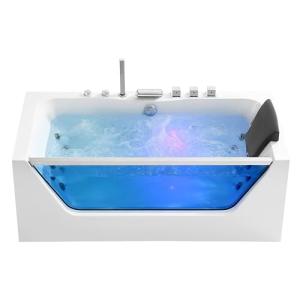
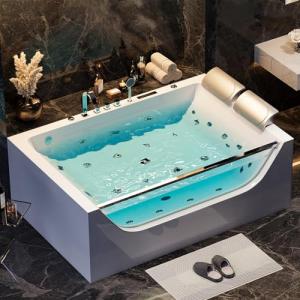
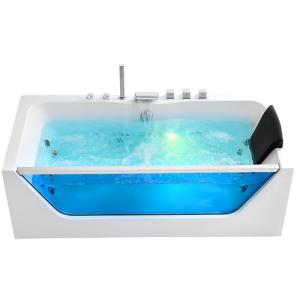
A whirlpool tub is a bathtub equipped with a built-in jet system that circulates water (and sometimes air) to create a massaging effect. The jets are strategically placed along the sides, back, and base of the tub to target different muscle groups — your lower back, calves, shoulders, and feet.
Unlike a standard soaking tub, which is passive, a whirlpool tub is active. The pump recirculates water through the jets at varying intensities, mimicking the pressure and rhythm of a professional massage. This is what puts it firmly in the wellness category, not just the luxury one.
People often use the terms "whirlpool tub," "jetted tub," and "Jacuzzi" interchangeably. Technically, Jacuzzi is a brand name — but it's become so widely used that most people understand what you mean. What matters more is understanding the difference between a water jet tub and an air jet tub, because these deliver very different experiences.
Water Jets vs. Air Jets: Which One Is Right for You?
This is the most important decision you'll make when choosing a whirlpool tub, and it comes down to what kind of relief you're actually looking for.
Water Jet Systems
Water jet tubs pump pressurized water through adjustable nozzles. The streams are powerful and focused, which means they can dig into tight muscles with real force. If you deal with chronic back pain, post-workout soreness, or tension in your neck and shoulders, water jets are your best bet. You can typically redirect the nozzles to aim exactly where you need them, and many models let you adjust the pressure independently for different zones of the tub.
The trade-off is maintenance. Because water sits in the jet pipes between uses, there's potential for bacteria and mildew buildup if you don't clean the system regularly. Most manufacturers recommend a monthly flush with a tub cleaner. Newer models address this with self-draining pipe designs and antimicrobial tubing materials, which helps considerably.
Air Jet Systems
Air jet tubs push warm air through tiny holes along the bottom and sides of the tub instead of recycling water. The effect is softer — think thousands of tiny bubbles rising around your body rather than focused streams pushing against your muscles. It's gentler, more enveloping, and deeply relaxing in a different way.
Air jets are also easier to maintain. Since they're not circulating water through pipes, there's far less risk of bacterial growth, and the system essentially dries itself out after each use. If you're sensitive to strong pressure or simply prefer a more meditative, cocoon-like soak, air jets are an excellent choice.
Combination Systems
Many of the best whirlpool tubs on the market today offer both. A combination system lets you use water jets for a targeted deep-tissue experience or switch to air jets for a gentler full-body soak — or run both simultaneously for maximum effect. If your budget allows it, the combination option gives you the most versatility.
The Real Benefits of Whirlpool Tubs
Let's talk about why people actually use these things day after day — not just the first week after installation.
Muscle Recovery and Pain Relief
The massage action from water jets helps boost circulation, reduce inflammation, and ease stiffness in joints and muscles. This makes whirlpool tubs particularly valuable for people who exercise regularly, those with arthritis or fibromyalgia, and anyone dealing with chronic lower back pain. A 15 to 20-minute soak can accomplish what takes an hour of stretching to achieve partially.
Stress and Mental Health
Heat alone relaxes the nervous system. Add rhythmic pressure from jets, and the body's stress response genuinely starts to power down. Regular soaks have been associated with better sleep, reduced anxiety, and an overall shift in mood. There's a reason spas have been built around hydrotherapy for thousands of years — it works.
Improved Circulation
The combination of warm water and jet pressure encourages blood vessels to dilate and blood to move more freely through the body. For people who sit at a desk all day, stand for long hours at work, or have naturally poor circulation in their legs and feet, this can make a noticeable difference in how they feel.
A Better Bathroom Experience
Beyond the health benefits, a whirlpool tub simply makes your bathroom better. It becomes the room you actually want to spend time in, rather than just pass through.
Types of Whirlpool Tubs by Style
Whirlpool tubs come in several configurations, and the right one for you depends entirely on your bathroom layout and personal preference.
Alcove Tubs
The most common installation style — a rectangular tub set into a three-wall enclosure. Alcove whirlpool tubs are ideal for standard bathrooms where space is limited. They're practical, relatively straightforward to install, and available in most standard sizes (typically 60 inches long).
Drop-In Tubs
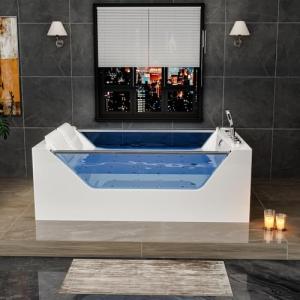
Drop-in tubs are set into a custom-built deck or surround, with just the basin visible above the surface. They offer a clean, built-in look and are popular in master bathrooms with enough floor space to accommodate the surrounding platform. The surround itself can be tiled, finished in stone, or wrapped in wood for a custom spa feel.
Corner Tubs
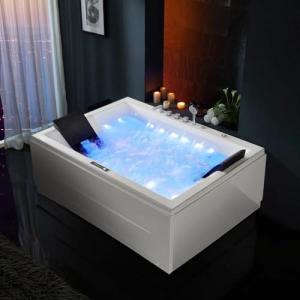
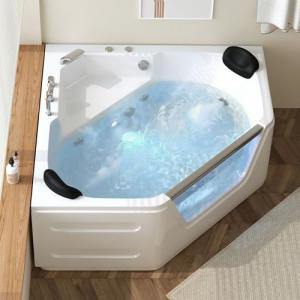
Corner whirlpool tubs are triangular or angular in shape, designed to fit snugly into the corner of a bathroom. They tend to be larger than standard tubs — many can accommodate two people — which makes them a popular choice for couples or anyone who simply wants more room to stretch out. The tradeoff is that they require significantly more floor space.
Freestanding Tubs with Jets
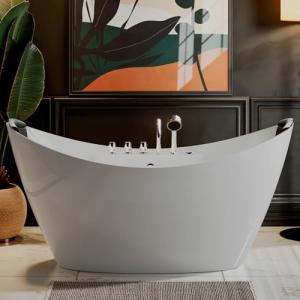
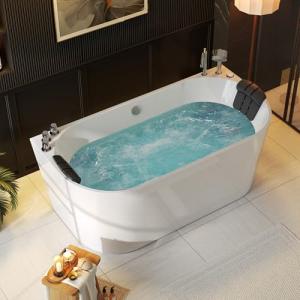
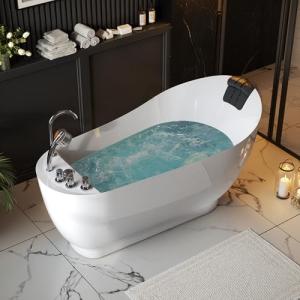
Freestanding whirlpool tubs are the statement piece of the bathroom world. They sit completely unattached to walls, positioned as a focal point in the room, and they're increasingly available with full jet systems built in. If you have a large master bathroom and want something that looks as good as it feels, a freestanding whirlpool tub is hard to beat.
Walk-In Whirlpool Tubs
Designed specifically for older adults or those with mobility challenges, walk-in tubs feature a low-threshold door that swings inward, allowing the user to enter before filling the tub. Many walk-in models come with built-in seating, handrails, and jet systems. They combine accessibility with the therapeutic benefits of hydrotherapy — an increasingly important category as the population ages.
Materials: What Your Tub Is Actually Made Of
The material of a whirlpool tub affects how it looks, how long it lasts, how well it retains heat, and how easy it is to keep clean.
Acrylic
Acrylic is by far the most popular material for whirlpool tubs, and for good reason. It's lightweight, warm to the touch, easy to shape into complex curves, and resistant to cracking and fading. Acrylic tubs are typically reinforced with fiberglass on the underside for added structural support. They clean easily, retain heat reasonably well, and are available across a wide price range. Most whirlpool tubs you'll encounter are made from acrylic.
Fiberglass
Fiberglass is lighter and less expensive than acrylic, making it a budget-friendly entry point. It's not quite as durable — it can scratch and dull over time — but for a lower-cost whirlpool tub that will see moderate use, fiberglass performs adequately.
Cast Iron
Cast iron tubs are extraordinarily durable and have exceptional heat retention — the water stays warm longer than in any other material. The drawbacks are significant weight (these tubs can weigh several hundred pounds when empty) and higher cost. Floor reinforcement is often required. Cast iron whirlpool tubs exist, but they're less common than their soaking tub counterparts.
Stone Resin and Solid Surface
Stone resin tubs offer a premium, spa-like aesthetic and excellent durability. They're heavier than acrylic but lighter than cast iron, and they maintain water temperature very well. A growing number of manufacturers now offer stone resin tubs with integrated jet systems for buyers who want both the aesthetic of a designer soaking tub and the functionality of a whirlpool.
Features Worth Looking For
Once you've decided on the basic configuration and material, these are the features that separate a good whirlpool tub from a great one.
Adjustable Jets — Being able to rotate and redirect individual jets makes a significant difference in how therapeutic the soak actually is. Look for tubs where each jet can be aimed and where pressure can be controlled independently.
Inline Water Heater — A built-in heater keeps the water at your preferred temperature throughout the bath, so you're not rushing to soak before the water cools down. This is a feature well worth the extra investment.
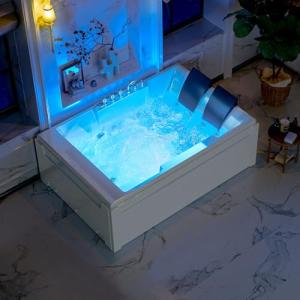
Chromotherapy Lighting — LED lights embedded in the tub that cycle through colors. Each color is associated with different mood effects — blue for calm, red for energy, green for balance. It sounds gimmicky until you try it in a darkened bathroom.
Aromatherapy Inlets — Some tubs include a small port or diffuser system where you can add essential oils directly into the water circulation. Lavender, eucalyptus, and peppermint are popular choices.
Self-Cleaning Systems — A built-in flush cycle that runs clean water through the jet pipes automatically after each use. This dramatically reduces the maintenance burden and keeps the plumbing hygienic.
Quiet Motor — Pump noise is the most commonly cited frustration among whirlpool tub owners who didn't think to check this before buying. Look specifically for models marketed with quiet or EcoSilent motor systems. The difference is noticeable.
Digital Controls — Touchpad controls let you adjust jet speed, water temperature, lighting, and timer settings from inside the tub without reaching for separate knobs. Higher-end models offer app connectivity so you can start filling the tub before you even get home.
How Much Do Whirlpool Tubs Cost?
Whirlpool tubs span a wide price range depending on size, features, and brand reputation. Entry-level models with basic jet systems start around $1,000 to $1,700. Mid-range tubs with larger dimensions, more jets, and better motor quality typically fall between $2,000 and $3,000. Premium models with combination jet systems, inline heaters, chromotherapy, and advanced controls can range from $3,000 to $5,000 or more.
Keep in mind that the purchase price is only part of the total investment. Installation costs vary widely depending on your bathroom's existing plumbing and electrical setup — whirlpool tubs require a dedicated electrical circuit and robust water pressure. If your floor needs reinforcement to handle the weight of a filled tub, that adds to the cost as well. Getting a professional installation quote before you commit to a specific model is always smart.
Before You Buy: Practical Checklist
A few things to confirm before making your final decision:
- Measure your bathroom carefully, including doorways and hallways the tub needs to pass through during delivery.
- Check your floor's load capacity — a filled whirlpool tub plus your body weight can exceed 1,000 pounds in larger models.
- Confirm your home's electrical panel can support a dedicated circuit for the pump.
- Consider your water heater capacity — larger tubs require more hot water, and some homes' water heaters struggle to fill them on demand.
- Read user reviews specifically about noise — it's one of the hardest things to judge in a showroom.
A whirlpool tub is one of those home improvements that changes how you actually use your home. It's not a decoration that sits unused — it's a tool for recovery, relaxation, and daily wellbeing that earns its place in the bathroom every time you step in. Whether you're looking for targeted muscle relief, a gentler meditative soak, or simply the kind of bath that makes you feel like you're somewhere expensive, there's a whirlpool tub designed specifically for what you need.